REVIEW · DUNEDIN AND THE OTAGO PENINSULA
Southern Skies Stargazing Tour in Dunedin
Book on Viator →Operated by Horizon Tours · Bookable on Viator
A night sky show starts when cities go quiet. On this Southern Skies tour in Dunedin, I like that you get real star guidance plus a Māori perspective on the heavens during a small-group evening on the Otago Peninsula. With hotel pickup from select spots and a simple, warm setup (coffee, tea, light snacks), it’s built for comfort as much as for viewing.
My favorite part is the pacing: you’re not hustled from place to place. You get a focused hour at the peninsula farm area, then a second hour at Allans Beach, with time to settle in and take photos of what’s up there. The one thing to keep in mind is that sky-dark conditions depend on the season and weather, so clarity and any aurora viewing can’t be guaranteed.
If you’re the type who likes your stargazing with context (and you don’t mind being outside for a few hours), this is a strong pick. Just plan on layers, and be prepared for the group to wait for the right conditions once evening is fully dark.
In This Review
- Key points to know before you go
- Why Dunedin’s Southern Sky Works So Well
- Price and Value for a 4-Hour Stargazing Night
- Small-Group Setup, Pickup Options, and What to Bring
- Stop 1 on the Otago Peninsula: Farm Viewing, Māori Stories, and a Light Supper
- Stop 2 at Allans Beach: Settling In for Long Looks
- The Māori Perspective on the Stars: More Than Facts
- Aurora Australis: When It Happens and What to Expect
- Comfort Matters: Warm Drinks, Snacks, and Timing in the Cold
- Who This Tour Fits Best (and Who Might Skip It)
- Should You Book Southern Skies in Dunedin?
- FAQ
- How long is the Southern Skies Stargazing Tour?
- Where does the tour start?
- Is hotel pickup included?
- What happens at the Otago Peninsula stop?
- What happens at Allans Beach?
- Are drinks and food provided?
- Is aurora australis guaranteed?
- How big is the group?
- What about weather cancellations?
- Is the tour suitable for people with disabilities and service animals?
Key points to know before you go
- Small group (max 10 travelers) means quieter attention for questions and photo help
- Warm drinks and light supper/snacks keep you comfortable while you watch the sky
- Māori stories about the stars add meaning, not just astronomy facts
- Two prime viewing stops (Otago Peninsula and Allans Beach) give you more chances for clear sightlines
- Aurora australis is possible under certain conditions, but the night is about the stars either way
Why Dunedin’s Southern Sky Works So Well
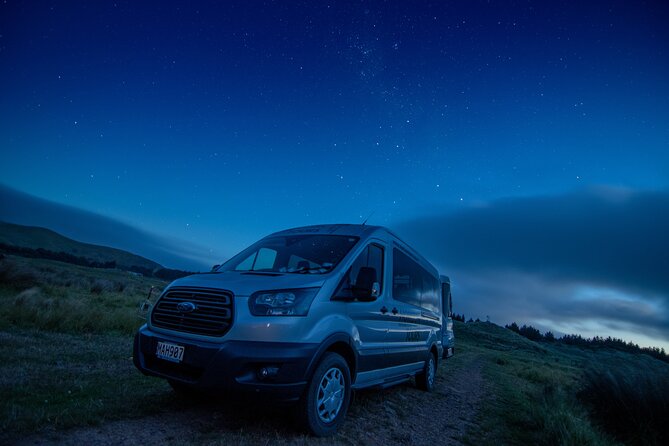
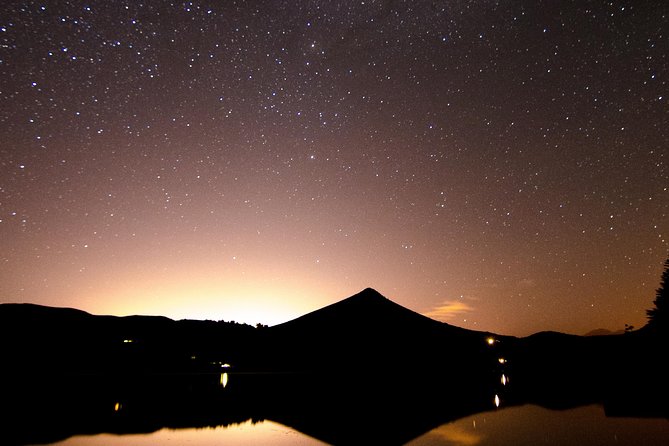
Dunedin sits in a part of New Zealand where the southern sky puts on a strong show—especially when you can get away from town lights. This tour is timed for true darkness, which matters more than people expect. If the sky isn’t fully dark yet, your eyes struggle and your photos get washed out. The tour’s evening start is seasonal for that reason.
Also, you’re not just staring at the sky like a lone figure in the cold. The guide points out what to look for and gives you a story framework. That changes everything: instead of random dots, you start recognizing patterns and naming points of interest. It’s the difference between seeing stars and understanding what you’re seeing.
Price and Value for a 4-Hour Stargazing Night
At $109 for about 4 hours, this tour isn’t a budget impulse buy, but it also doesn’t feel overpriced for what you’re getting. You’re paying for three things: a guided experience, transportation support (pickup from select hotels), and a viewing plan that takes you to two locations.
Most stargazing tours either focus on the astronomy lesson or the logistics. Here, the package is built around both. You’re fed a light supper and hot drink at the first stop, plus coffee, tea, and snacks to keep you warm. For a night experience where comfort affects how long you can actually enjoy the view, that food-and-drink part is real value, not fluff.
If you’re comparing alternatives, think about cost-per-hour and how much guidance you’ll actually get once you’re out in the dark. With a maximum of 10 people, you’re more likely to get personal help than on bigger group excursions.
Small-Group Setup, Pickup Options, and What to Bring
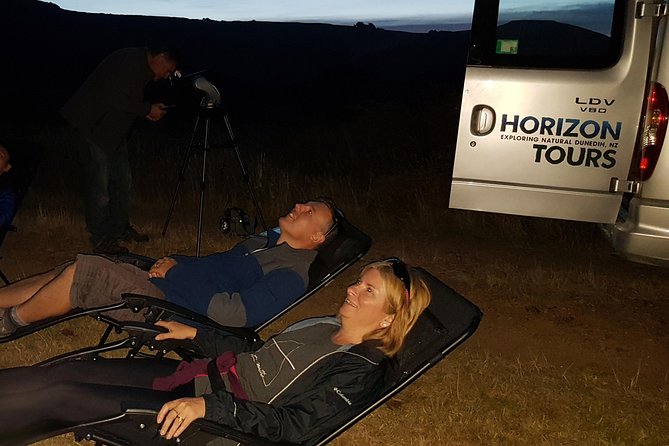
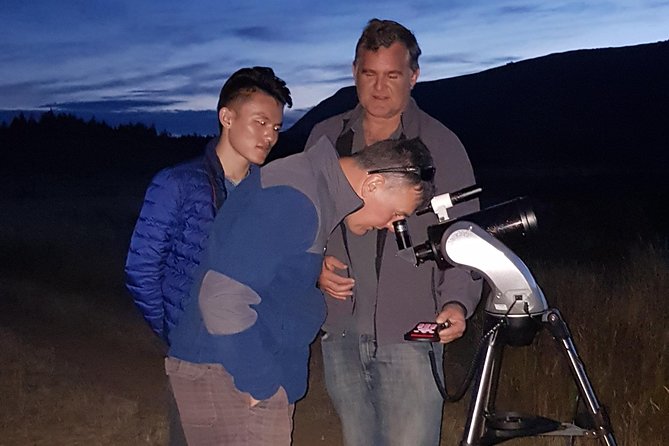
This is a maximum 10 travelers tour, and you feel that immediately in the way the night unfolds. You can hear the guide, ask questions, and take photos without someone constantly blocking your view. It’s also one of those tours that works well for solo travelers—small groups feel less intimidating when the vibe is welcoming rather than chaotic.
Pickup is offered from select hotels, and the tour meets at 50 The Octagon, Central Dunedin. If your hotel isn’t on the pickup list, you’ll want to plan to arrive at the Octagon start point. Either way, timing matters because the sky needs to be completely dark before the best viewing.
What to bring (practical, not fancy):
- Warm layers, including something that blocks wind
- Closed-toe shoes you don’t mind getting a bit chilly
- A headlamp or small light with low brightness so you don’t blind yourself or others
- Your phone/camera fully charged (you’ll be shooting when the guide calls out targets)
One caution from experience with the same kind of tours: there can be rare pickup hiccups when bookings get mixed up. If you’re relying on pickup, confirm your details ahead of time, and give yourself a small buffer if you end up meeting at the starting point.
Stop 1 on the Otago Peninsula: Farm Viewing, Māori Stories, and a Light Supper
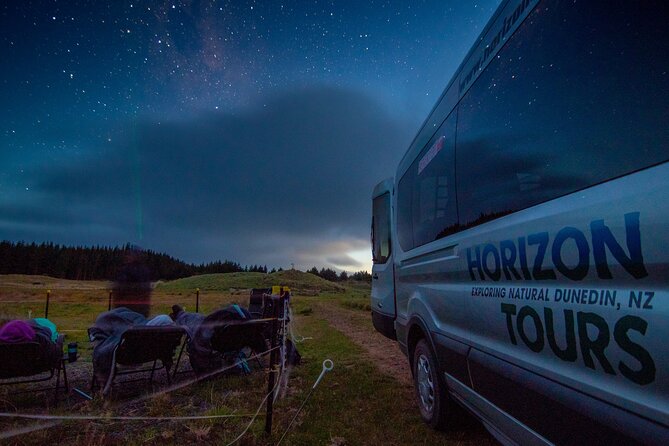
The first hour starts at the Otago Peninsula at a farm-style viewing spot. This is where the night really begins: you’ll look at the stars, hear Māori cultural stories about the sky, and enjoy warm hospitality—coffee, tea, light snacks, plus a light supper and hot drink.
This stop is valuable because it sets the mental map. The guide helps you connect what’s in the sky with the way Māori traditions interpret celestial bodies. You’re not just collecting facts. You’re learning how different cultures read the same sky, and that makes your second stop more rewarding.
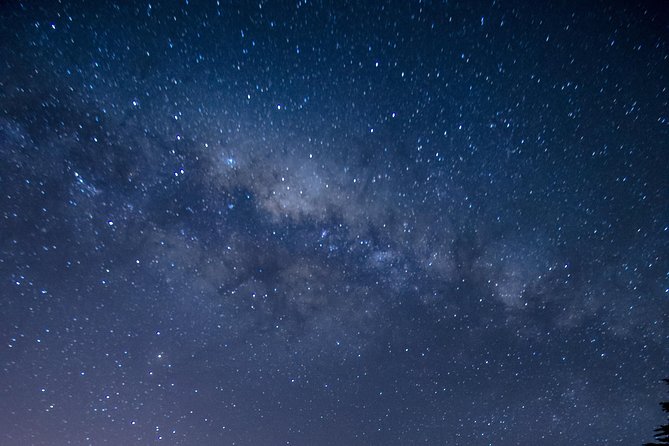
The farm setting also tends to give you a darker viewing environment than staying near town. That darkness is what you need to see more subtle star patterns and to have your eyes adjust properly. If you’re trying to photograph the Milky Way, the first stop is often where you get your first real attempt—when your camera settings are dialed in and you’re not rushing.
The only drawback with the first stop is the obvious one: you’re outside at night. If weather is cold or breezy, comfort depends on what you wear. The hot drink helps, but layers still matter.
Stop 2 at Allans Beach: Settling In for Long Looks
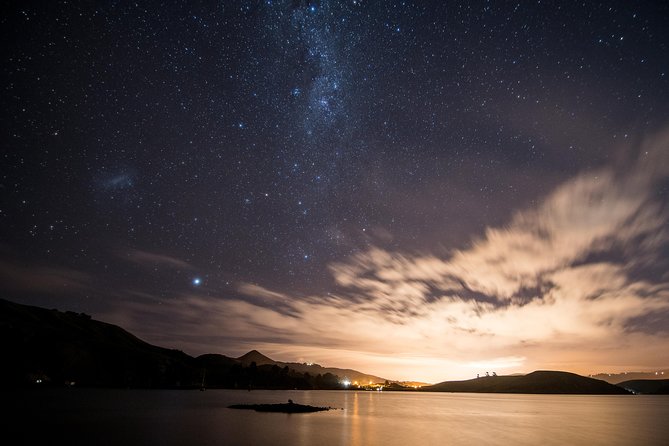
After the peninsula farm, you move to Allans Beach for another hour dedicated to stargazing and stories. This second stop is the “linger and look again” part of the night.
Beaches can be tricky and perfect at the same time. The openness can give you clean sightlines, but coastal winds can add chill fast. The good news is you’re not there for a quick photo op. You’re given time to settle in, adjust your eyes to the dark, and let the guide bring focus back to what matters.
If the earlier viewing conditions weren’t ideal—like cloud cover cutting into the sky—this second location can improve your chances. One review specifically praised the guide for taking extra steps to help the group see more of the night sky when clouds got in the way.
Practically, this stop is where you’ll notice how different spots feel under the same sky. The first location teaches you where to look; the second location teaches you how flexible your viewing can be when weather changes.
The Māori Perspective on the Stars: More Than Facts
A big part of why this tour gets such a strong rating is the storytelling. You’re hearing Māori perspectives on celestial bodies, not just being handed a quick constellation lesson. When a guide connects the sky to culture, your attention changes. You stop scanning randomly and start looking with intention.
Guide Kylie gets especially high praise. Reviews mention that Kylie made people feel welcome, including solo travelers. Other feedback highlights the care taken while guests are busy photographing the Milky Way—helping people get their shots while also keeping the group engaged.
There’s also mention of singing during the experience. Even if you’re not a big sing-along person, it usually signals something important: the guide is comfortable with the material and genuinely enjoys leading the group. That kind of energy makes a cold night easier to handle.
Aurora Australis: When It Happens and What to Expect
This tour is described as ideal for viewing southern lights (aurora australis) under certain conditions. That wording is important. You’re in the right region and at the right kind of time, but aurora depends on real atmospheric activity.
So treat aurora as a bonus, not the main event. The main event is a guided southern-sky night: star identification, cultural storytelling, and dark-sky viewing at two different locations. Even when aurora doesn’t show up, you can still have a memorable night because you’re learning how to read the sky with help from a guide.
One practical note: cloud cover can reduce your visibility fast. The tour is dependent on season and the sky being completely dark, but weather is still the final decider. If the sky doesn’t cooperate, you should expect the guide to adjust—within reason—based on what’s available.
Comfort Matters: Warm Drinks, Snacks, and Timing in the Cold
Stargazing tours often forget one thing: comfort directly affects enjoyment. This one takes the edge off the evening with coffee, tea, and light snacks, plus hot drinks and light supper during the first stop.
That matters because when you’re uncomfortable, you stop looking. You start checking your phone to see the time. You stop caring about the details the guide is pointing out. Here, the food and warmth keep you engaged longer, and you actually benefit from the full experience.
Timing also helps. The tour leaves in the evening when the sky needs to be completely dark, so you’re not spending half your time watching early dusk and hoping it gets better. The goal is to get you into real nighttime viewing as quickly as possible.
Who This Tour Fits Best (and Who Might Skip It)
This is a great match if:
- You want a small-group night with personal attention
- You enjoy cultural context alongside astronomy
- You care about comfort—warm drinks and snacks help a lot
- You’re traveling solo and want a welcoming vibe
- You’re interested in aurora as a possibility, not a guaranteed event
You might skip it if:
- You hate cold weather and don’t have decent layers
- You only want one specific thing (like aurora every time) and would feel let down if it doesn’t show
- You’re expecting a long, hands-on workshop feel rather than a guided viewing evening
For most people, the balance works: you get stories, guidance, and actual time to watch.
Should You Book Southern Skies in Dunedin?
If you’re deciding between “just look at stars on my own” and “do a guided night with warmth and meaning,” I’d lean toward booking this one. The small group size, the two viewing stops, and the mix of Māori stories plus practical stargazing guidance are exactly what make a night like this worth paying for.
I’d book especially if you want your sky time to feel structured. When Kylie and the team keep the group comfortable and help you stay focused (including while taking Milky Way photos), the experience becomes more than a quick walk outside. It becomes a guided lesson you can feel in your bones.
If aurora is your main goal, keep expectations flexible. You’ll still get a guided southern sky evening with the best conditions the tour can provide.
FAQ
How long is the Southern Skies Stargazing Tour?
It runs for about 4 hours.
Where does the tour start?
The meeting point is 50 The Octagon, Central Dunedin.
Is hotel pickup included?
Pickup and drop-off are offered from select hotels.
What happens at the Otago Peninsula stop?
You’ll view stars from the farm area, hear Māori cultural stories, and enjoy a light supper with a hot drink.
What happens at Allans Beach?
You’ll spend an additional hour stargazing and listening to stories.
Are drinks and food provided?
Yes. You’ll have coffee, tea, and light snacks, plus a light supper and hot drink at the first stop.
Is aurora australis guaranteed?
No. It’s described as an ideal area for aurora viewing under certain conditions, so it can’t be guaranteed.
How big is the group?
The tour has a maximum of 10 travelers.
What about weather cancellations?
The experience requires good weather. If it’s canceled due to poor weather, you’ll be offered a different date or a full refund.
Is the tour suitable for people with disabilities and service animals?
Service animals are allowed, and most travelers can participate.