REVIEW · JACKSON WYOMING
Jackson: Grand Teton National Park Stargazing Experience
Book on GetYourGuide →Operated by Wyoming Stargazing · Bookable on GetYourGuide
A cold, quiet sky can change your whole view of life. This Jackson Hole experience pairs Grand Teton dark-sky locations with expert-led telescope time and astronomy explanations you can actually follow. I love the hands-on telescope focus (you get a solid block of eyepiece time), and I love that the guides help you connect what you’re seeing to the big picture of the universe. One drawback to plan around: you’ll be outside and night temps often drop fast, so you’ll need serious layers.
The value here is simple: you trade a do-it-yourself drive and guesswork for a structured night where the sky has a point. You’re picked up from the Jackson Hole valley and taken to a remote spot with minimal light pollution, then guided through what to look for using telescopes, a laser, and an iPad running the StarWalk app. If you’re hoping for a low-effort, warm-and-casual night, this is still comfortable—but it’s built for stargazing, not lounging.
In This Review
- Key reasons this stargazing session works
- Why Grand Teton Dark Skies Feel Worth the Trip
- Pickup and the Drive to the Remote Spot (It’s Part of the Experience)
- StarWalk First, Telescopes Next: How You Learn Without Guessing
- Two Hours at the Eyepiece: What You’ll Actually See
- Laser Guidance, Milky Way Views, and Comet/Shooting-Star Moments
- Comfort and Safety: Warm Layers, Ladder Use, and Good Expectations
- Price and Value: Is $175 per Person Fair?
- Private vs Group: Pick Based on How You Want to Spend the Night
- Timing, Length, and What You Should Plan for on Your Trip
- Who This Stargazing Session Is Best For
- Should You Book This Jackson Hole Stargazing Night?
- FAQ
- How long is the Jackson: Grand Teton National Park Stargazing Experience?
- What is included with the tour?
- Is pickup included?
- Are private stargazing sessions available?
- How long is the telescope time?
- What should I bring?
- Is there a photo package?
- Is the tour family-friendly?
- Will I be able to use an iPad during the program?
- Is observing through the telescope accessible for everyone?
- What is the cancellation policy?
Key reasons this stargazing session works
- Two full hours of telescope time so you’re not rushed past the best views
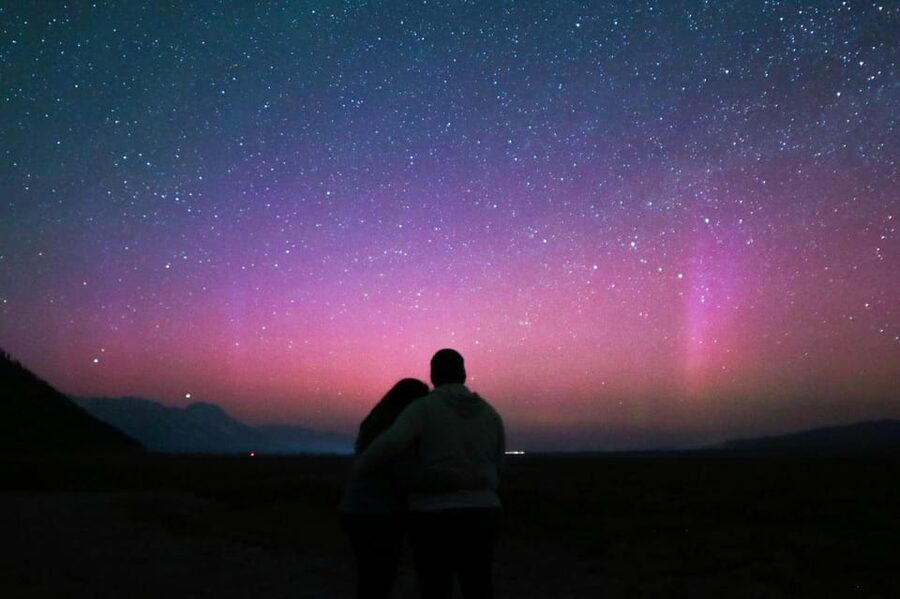
- Minimal light pollution for stronger views of the Milky Way and faint targets
- StarWalk on an iPad helps you learn constellations and sky locations fast
- Expert-led explanation so galaxies and nebulae feel real, not just random dots
- Private option year-round with virtually no wait time at the telescopes
Why Grand Teton Dark Skies Feel Worth the Trip
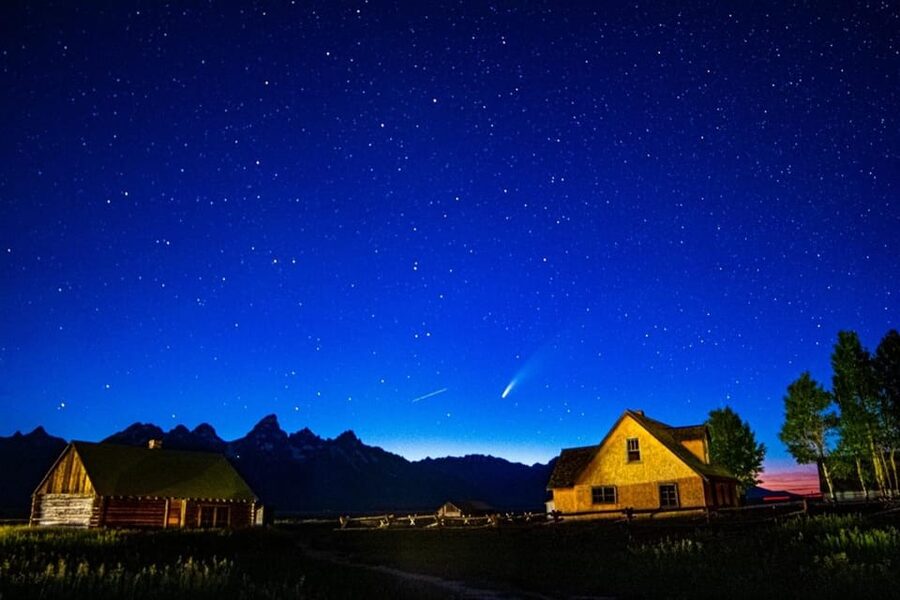
Jackson Hole is gorgeous in daylight, but stargazing is where the area really flexes. This program is built around leaving the glow behind and getting to one of the darkest stargazing locations possible in the region. That matters, because stargazing isn’t just about whether it’s clear. It’s about contrast—how much of the sky you can actually see once stray light and urban haze fade.
What I like about this setup is the pacing. You don’t just arrive, look up for five minutes, and go home. You get a scenic drive during twilight, then time to orient yourself before the telescopes start doing the heavy lifting. The result is that you don’t feel lost. Instead, you get your bearings fast—literally, with the StarWalk app and a guide pointing out what matters.
Pickup and the Drive to the Remote Spot (It’s Part of the Experience)
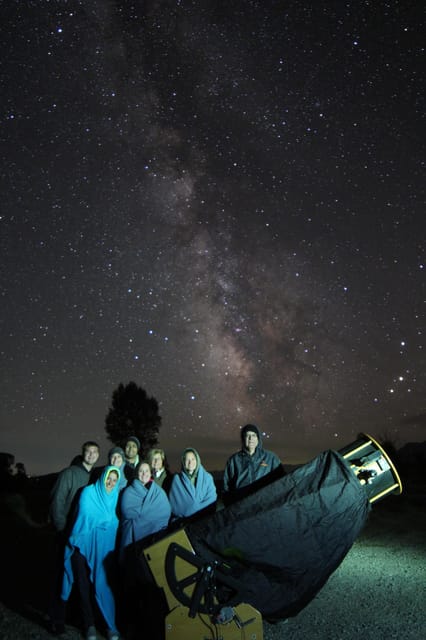
You’ll be picked up between 7:30 pm and 9:30 pm, depending on the season and the pickup schedule that night. The drive is part of the plan: there’s usually 30–60 minutes each way to reach the remote dark-sky location. In practical terms, this means two things for you.
First, it lowers the pressure. You don’t need to navigate in the dark or worry about where parking gets you the best views. Second, that drive gives you a buffer for temperature and timing. Jackson can trick you during the day—warm afternoons don’t mean warm nights. The program is scheduled so you’re on the road before full darkness, then settled by the time the best viewing window is underway.
For group stargazing, there’s also a geographic detail worth knowing: pickup is only offered within the city limits of the Town of Jackson. If you’re staying outside that area, the private option is often the cleaner solution.
StarWalk First, Telescopes Next: How You Learn Without Guessing
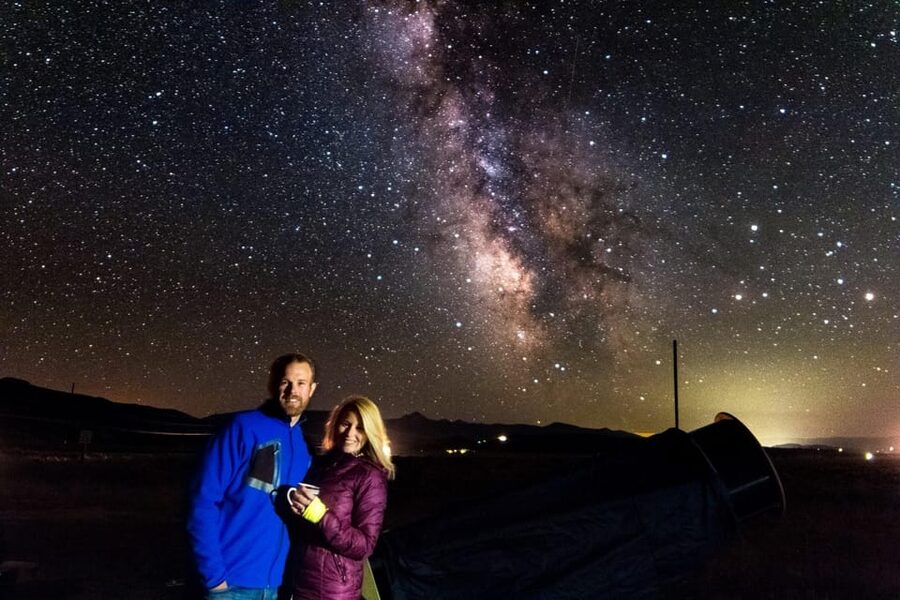
When you reach the stargazing site, you’re not just handed an eyepiece and left to figure it out. You use an iPad with the StarWalk app to explore the sky with the same “what am I looking at?” clarity that you’d want if you were studying astronomy on your own.
This is a quiet superpower of the tour. Many stargazing nights fail because you see a bright point and move on. StarWalk helps you match what you’re seeing to real sky locations—constellations, planets, and targets the guides want you to focus on. Then the telescopes take over, turning the “map” into actual view-through-the-glass detail.
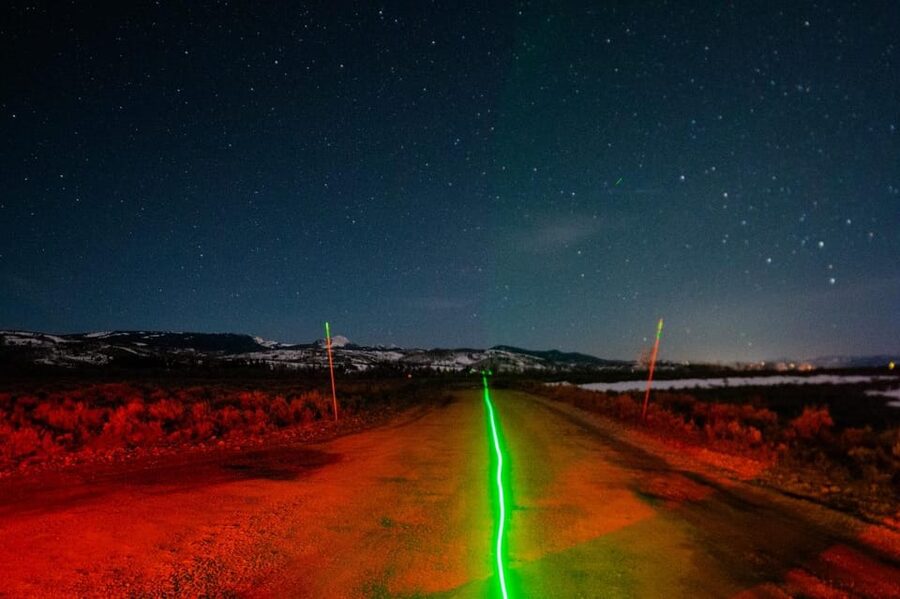
If you learn visually, you’ll appreciate how the guides connect the dots. In past sessions, guides have used a laser to point out constellations and planets while explaining what you’re looking at. That makes the sky feel navigable instead of random.
Two Hours at the Eyepiece: What You’ll Actually See
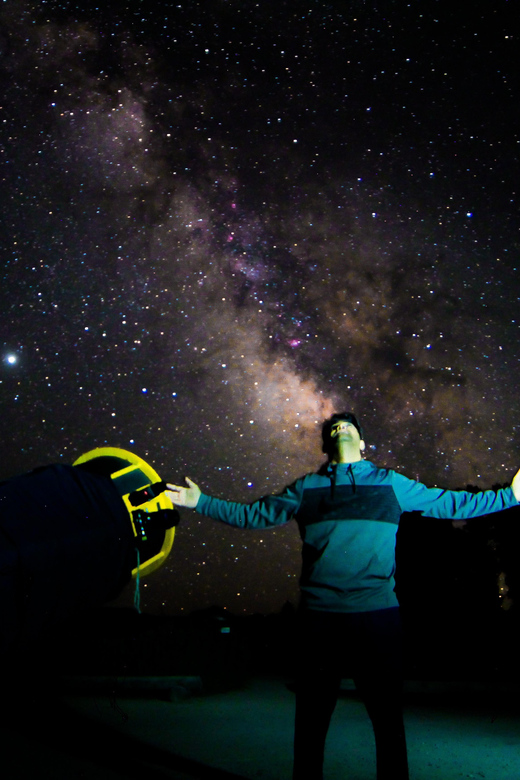
This is the heart of the experience: 2 full hours of telescope time shared with your group. That’s long enough for you to go beyond the first thrill and actually notice patterns—brightness differences, shapes, and movement.
With the telescopes, the program is designed for a mix of showpieces and “wait, that’s real?” moments:
- The Moon up close (including crater detail)
- Planets, including views that can include Saturn’s rings
- Stars and star fields
- Nebulae and galaxies, where the payoff is knowing what faint haze represents
The big takeaway for you: telescope time here isn’t just about peeking once. It’s about repeated looks—enough to let your eyes adjust and your understanding catch up. When you spend time comparing targets, constellations stop being trivia and start being a map you can use the rest of the night (or after you go home).
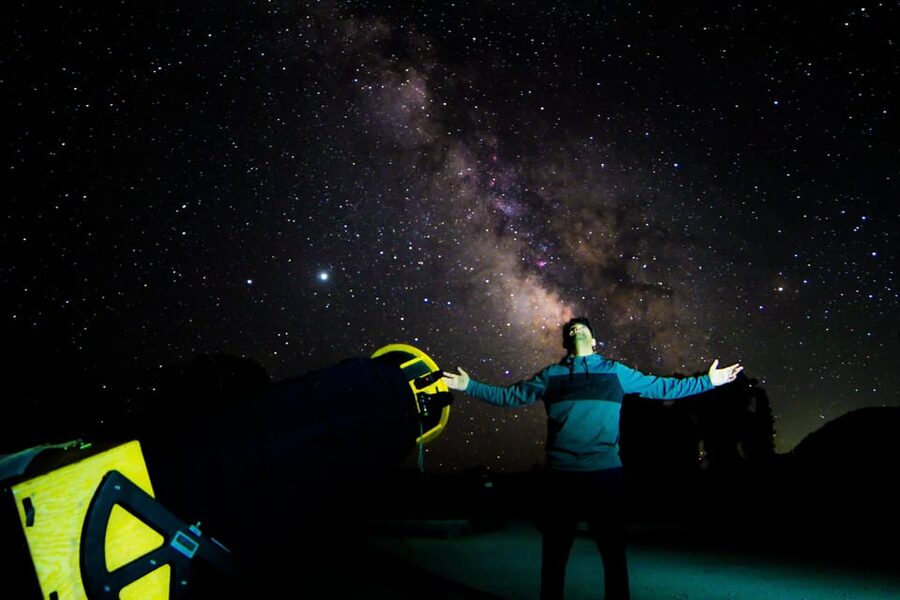
Also, the dark-sky location matters for faint targets. Minimal light pollution improves your chances of seeing more of the Milky Way and more “small surprises,” like satellites sliding across the frame.
Laser Guidance, Milky Way Views, and Comet/Shooting-Star Moments
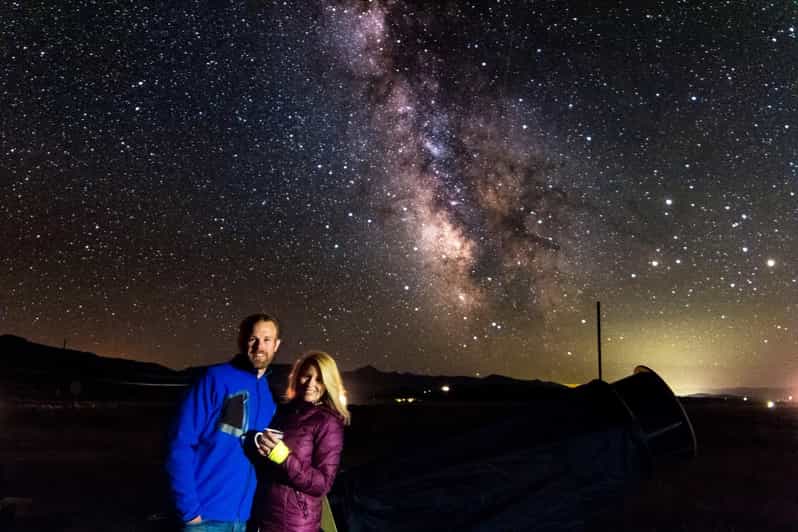
The best stargazing nights are a mix of planned targets and lucky timing. This experience is built to deliver both.
During sessions, guides help you point your attention with laser cues. That means you’re more likely to catch the exact star or planet they’re describing, instead of wandering around the sky on your own. And when the sky cooperates, you can get the kind of moments people remember for years: clear Milky Way bands, shooting stars, and additional sky objects that aren’t always guaranteed.
Some nights include extra visual treats—comets and satellites—when conditions line up. Even with clear skies, nothing about the universe is fully controlled, so you’re not paying for a script you can memorize. You’re paying for knowledgeable direction plus serious telescope time under truly darker conditions.
Comfort and Safety: Warm Layers, Ladder Use, and Good Expectations
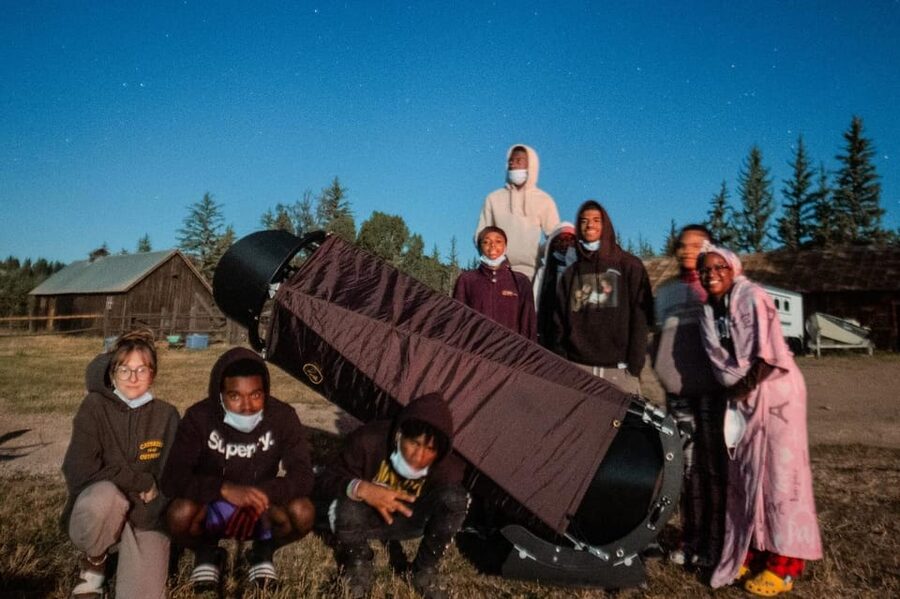
Let’s talk practical comfort. What you wear will decide how much you enjoy the tour, because nights often dip below 40°F even when daytime feels mild. The program advises layers: long pants, a cozy jacket, shoes with substantial soles, and a hat. In winter, ski attire is the move.
You’ll also be given camping chairs and blankets, plus bottled water and snacks. That’s not a luxury afterthought. It’s the difference between watching the sky with patience versus shifting cold discomfort every few minutes.
One more thing that’s important for your planning: observing through the large telescopes involves ladder use. If that’s unsuitable for anyone in your group, you should inform the supplier in advance so alternative arrangements can be made. If you’re traveling with an older adult or someone with mobility concerns, this is worth addressing early rather than hoping for last-minute fixes.
Price and Value: Is $175 per Person Fair?
At $175 per person for a 4-hour experience, this isn’t the cheapest activity in Jackson Hole. But it can be strong value if you break it down.
You’re paying for:
- Transport from the valley area and the time spent driving out to darker skies
- Expert-led guidance and a structured astronomy talk
- Two full hours of telescope time
- Equipment support (camping chairs, blankets, water/snacks)
- A guided sky-learning tool via the StarWalk iPad app
- A private format option (when booked as private) that reduces waiting at the telescopes
If you tried to replicate this yourself, you’d spend time driving, finding a safe dark-sky spot, learning what’s visible, and managing gear. Here, that work is handled for you—and you can focus on seeing and learning.
The private option year-round is often the biggest value lever. Compared with small-group settings (which combine people and have limits based on the season), private sessions give your group direct attention, and the tour is designed so you’re able to show you the maximum number of extraordinary objects without big delays at equipment.
Private vs Group: Pick Based on How You Want to Spend the Night
This experience has two versions: private and small-group.
Private stargazing programs run year-round, and you get dedicated attention from the Stargazing Leaders. There’s virtually no wait time for telescope viewing, which is ideal if you’re traveling with family, want a smoother pace, or hate standing around in the cold.
Group stargazing programs run June through September and operate with a 2-person minimum to run. Groups can be combined up to 13 people with expert Stargazing Leaders. Pickup for group programs is only offered within the Town of Jackson city limits. If your lodging is outside that area, you’ll likely need private pickup to make logistics easy.
So the decision comes down to your style:
- Choose private if you want maximum access and less downtime.
- Choose group if you’re comfortable with a shared experience and staying within the scheduled pickup area.
Either way, you’re aiming for the same core payoff: dark skies, telescope time, and guidance that turns “pretty dots” into a story.
Timing, Length, and What You Should Plan for on Your Trip
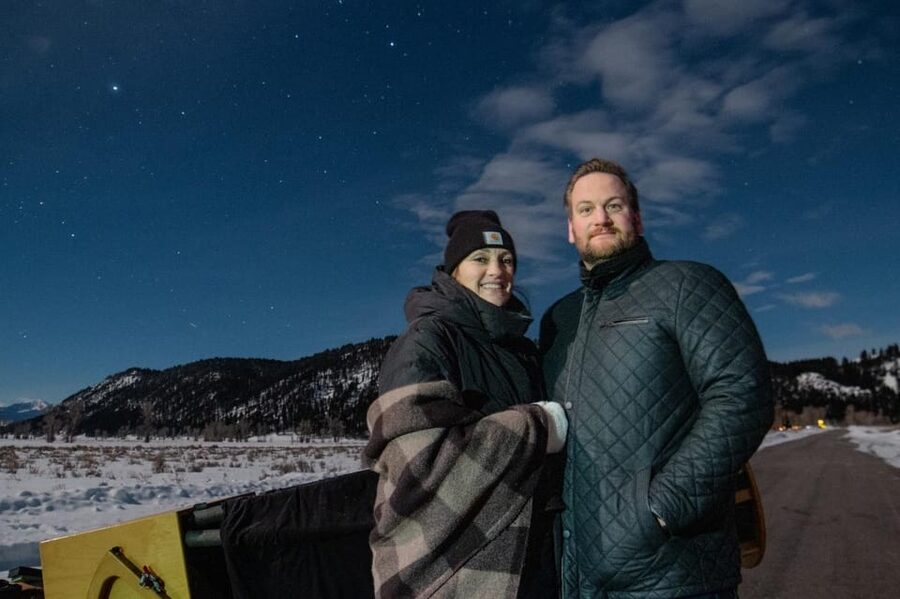
The full program runs about 4 hours, and that includes pickup windows and time to and from the viewing location. Realistically, plan the evening like you’re committing to an outdoor experience. You’ll start during evening twilight, then spend the bulk of the night watching through telescopes.
If you’re pairing this with dinner plans, I’d keep it simple: don’t stack tight reservations right after. Even with a smooth tour, cold, dark conditions can slow down how fast you want to rush anywhere. You’ll enjoy the night more if you treat it as the evening anchor.
Who This Stargazing Session Is Best For
This tour can fit a wide range of people because it mixes awe with structure. It’s designed to be educational for all ages, and the guidance helps both beginners and hobby-minded sky watchers.
You’ll likely love it if you:
- Want a guided way to learn constellations, planets, and space concepts
- Prefer not to self-drive and self-plan a stargazing outing
- Care about spending real time at telescopes, not just taking one quick look
- Appreciate a strong focus on dark-sky viewing conditions
If you’re a seasoned astronomy person, you might still enjoy it for the convenience and the dark-sky location—just know the tour is structured for a broad audience rather than an ultra-technical observing program.
Should You Book This Jackson Hole Stargazing Night?
I’d book it if your goal is meaningful stargazing—dark skies plus guided telescope time—without the hassle of figuring everything out yourself. The best sign is the balance: it gives you two hours at the telescope, uses StarWalk so you can follow along, and keeps comfort in mind with chairs, blankets, snacks, and warm-layer guidance.
I’d think twice if your group hates cold nights, can’t manage ladder-style telescope viewing, or expects a quick, casual photo-only activity. Also, if you’re planning during the group season, confirm pickup access based on where you’re staying.
If you want one honest strategy: bring the warmest layers you own, arrive ready to slow down, and let the guides do the pointing. The sky does the rest.
FAQ
How long is the Jackson: Grand Teton National Park Stargazing Experience?
The experience is 4 hours total.
What is included with the tour?
You get Stargazing Leaders, hotel pickup (between 7:30 pm and 9:30 pm depending on season), a scenic drive to a remote dark location, 2 full hours of telescope time, camping chair and blanket, bottled water and snacks, an iPad with the StarWalk app, and time for answers to your astronomy questions.
Is pickup included?
Yes. Pickup is included from anywhere in the valley of Jackson Hole, with confirmation of the exact location and pickup time by phone in the afternoon of your program. For group programs, pickup is only offered within the city limits of the Town of Jackson.
Are private stargazing sessions available?
Yes. Private programs are available year-round. Group programs run only from June through September.
How long is the telescope time?
You’ll have 2 full hours of telescope time shared with your group.
What should I bring?
Bring warm clothing. Night temperatures often dip below 40°F, so dress in layers and plan for colder weather than daytime.
Is there a photo package?
No. A Night Sky Photo Package is not included.
Is the tour family-friendly?
Yes. The stargazing programs are designed for all ages.
Will I be able to use an iPad during the program?
Yes. You’ll use an iPad with the StarWalk app to explore the sky with the telescopes and programs.
Is observing through the telescope accessible for everyone?
Observing through the large telescopes involves ladder use. If that is unsuitable for anyone in your group, you should inform the supplier in advance so alternative arrangements can be considered.
What is the cancellation policy?
Free cancellation is available up to 24 hours in advance for a full refund.