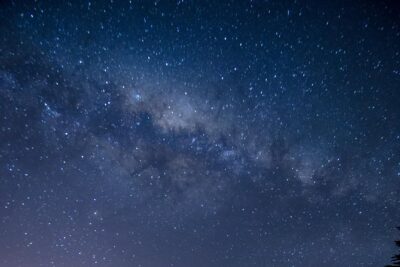
REVIEW · ESPERANCE
Esperance: Astronomy Night Experience
Book on GetYourGuide →Operated by Ningaloo Stars · Bookable on GetYourGuide
The southern sky can feel like a different planet. This Esperance astronomy night pairs laser-guided tours with premium telescopes so you don’t just stare, you learn what you’re seeing in the dark.
Two things I’d book for right away: the small, max-five-per-scope setup that keeps you at the eyepiece, and the way the night sky gets explained through both culture and modern science by Paul and Hannah. A possible drawback: it’s only two hours, so it’s a great first taste, not the kind of ultra-long observing session where you spend all night on one target.
In This Review
- Key points you’ll care about
- Esperance’s Dark-Sky Advantage: Why This Feels Worth Two Hours
- The Start: Meeting in the Car Park and Getting to the Dark Spot
- The Laser-Guided Tour: Turning the Night Sky into Something You Can Follow
- Paul and Hannah’s Star Stories: Where Culture Meets Science
- Premium Telescopes: What You’ll See Through the Eyepiece
- Small Groups and Eyepiece Time: Maximum Five per Scope
- Comfort Under the Stars: Seating, Blankets, and Hot Chocolate
- What’s Included (and What Isn’t) for a Smart Value Check
- Who This Is Best For (and Who Might Want a Different Option)
- Quick Practical Tips Before You Go
- Should You Book This Astronomy Night in Esperance?
- FAQ
- How long is the astronomy night experience?
- How much does it cost?
- Where do I meet the Ningaloo Stars team?
- Is transportation included?
- Are meals included?
- Does the tour include telescopes?
- How many people share each telescope?
- What does the laser tour cover?
- Is the experience wheelchair accessible?
- Are there any rules about light or photography?
Key points you’ll care about
- Laser-guided tracing that shows constellations, planets, and the Milky Way with clear context
- Max five guests per telescope, so you’re not waiting forever for a look
- Paul and Hannah-style storytelling that connects traditional star narratives with contemporary science
- Premium telescopes aimed at planets, star clusters, nebulae, and galaxies you can’t see unaided
- Comfort extras like seating plus blankets, hot chocolate, and a chocolate bar
- Relaxed, inclusive pacing for first-timers through astronomy fans
Esperance’s Dark-Sky Advantage: Why This Feels Worth Two Hours
Esperance is one of those places where night actually matters. When you get away from city glow, the sky goes from “pretty” to “wow, that’s detailed.” This experience is built around that simple idea: you start with a guided night sky orientation and then you get hands-on views through high-quality scopes.
What helps is the pacing. You’re not dumped outside and told to figure it out. The guides keep the night structured, but still relaxed, so you spend more time looking up and less time asking where to aim. The whole session runs for about two hours, which is long enough to learn your bearings and see multiple types of celestial objects.
The Start: Meeting in the Car Park and Getting to the Dark Spot
You meet the Ningaloo Stars team in the car park when you arrive. From there, the session moves to a dark-sky location in the region. The tour format matters here: once you’re in the right place for stargazing, the laser and telescope parts make much more sense.
A small practical note: they don’t allow flash photography, flashlights, smoking, or vaping. That’s not just rules for the fun police. In a dark-sky setting, one sudden light can mess up everyone’s night vision. It also means the experience is designed to run smoothly in low light, with comfort and guidance taking the place of casual wandering around.
The Laser-Guided Tour: Turning the Night Sky into Something You Can Follow
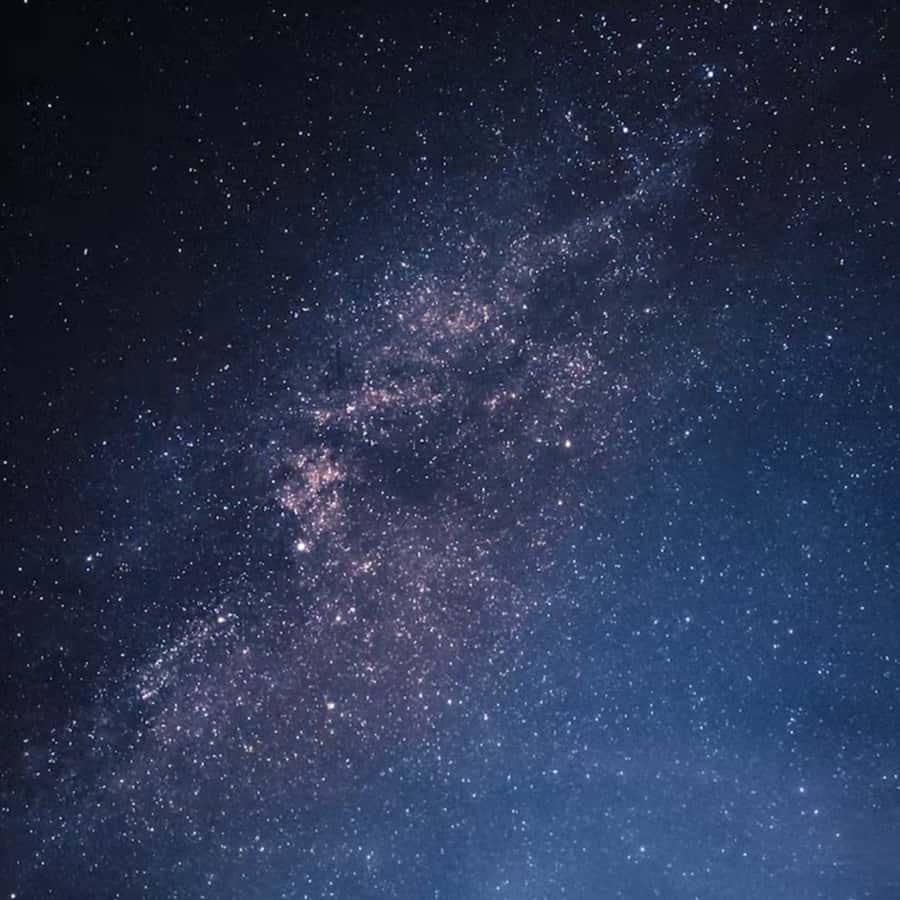
The core of the evening is the laser-guided walkthrough. You’ll trace out constellations, planets, and the Milky Way with context that clicks fast, even if astronomy is new to you.
Here’s why this step is so valuable: when you’re stargazing solo, it’s easy to end up admiring a few bright points and guessing. With a guided laser tour, you learn how the patterns connect, why certain targets are visible at this time of year, and what to look for when you shift from the wide sky into the telescope’s narrower view.
The guide explanation is geared to all levels. You’re not expected to bring star charts or deep background knowledge. It’s more like a guided orientation walk where you get your mental map before you start hunting.
Also, the laser approach is especially helpful in Esperance-style conditions because the sky can look intimidating at first. You’ll get your bearings quickly, and then the telescope time feels less like random looking and more like a sequence of discoveries.
Paul and Hannah’s Star Stories: Where Culture Meets Science
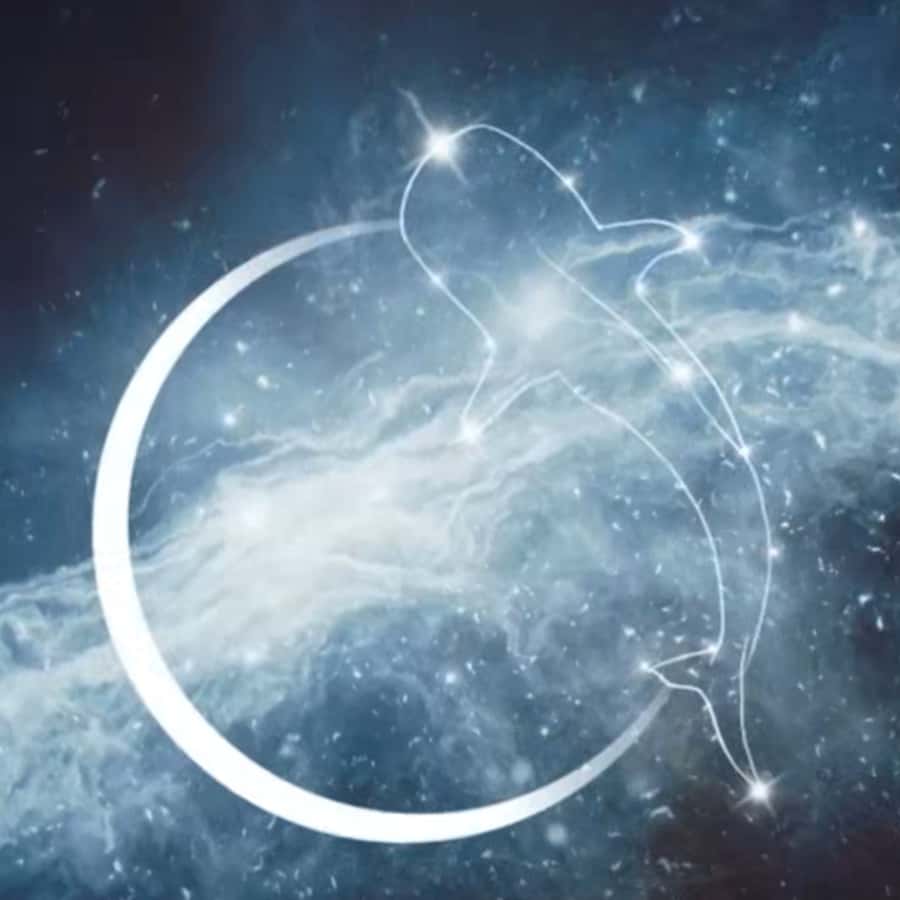
One of the best parts of the night is how the guides blend two ways of understanding the sky: traditional stories and modern science. Paul and Hannah bring that connection to life by weaving narratives alongside what we know today.
This matters because it changes how you remember the experience. You don’t just walk away with a list of objects. You walk away with meaning. A constellation isn’t only a pattern; it becomes a story you can retell. And a telescope view isn’t only a cool photo-looking moment; it becomes evidence that helps explain why the story and the science both orbit the same sky.
If you like travel that feels human, this is the sweet spot. It’s not “science only.” It’s not “myth only.” It’s the meeting point where the night sky earns respect from different perspectives.
Premium Telescopes: What You’ll See Through the Eyepiece
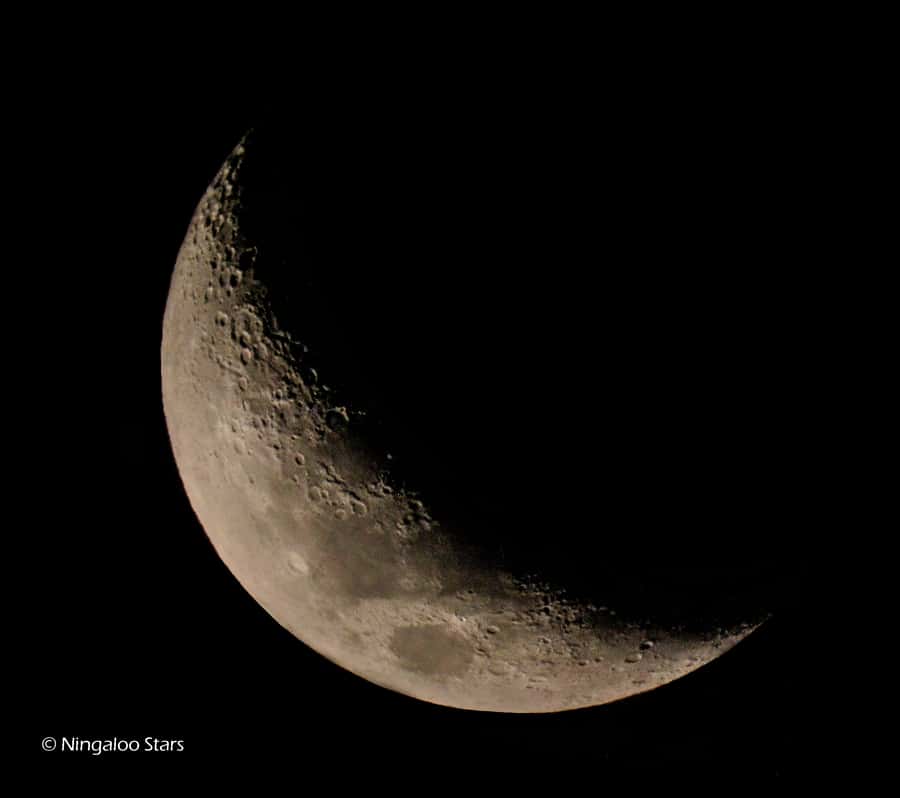
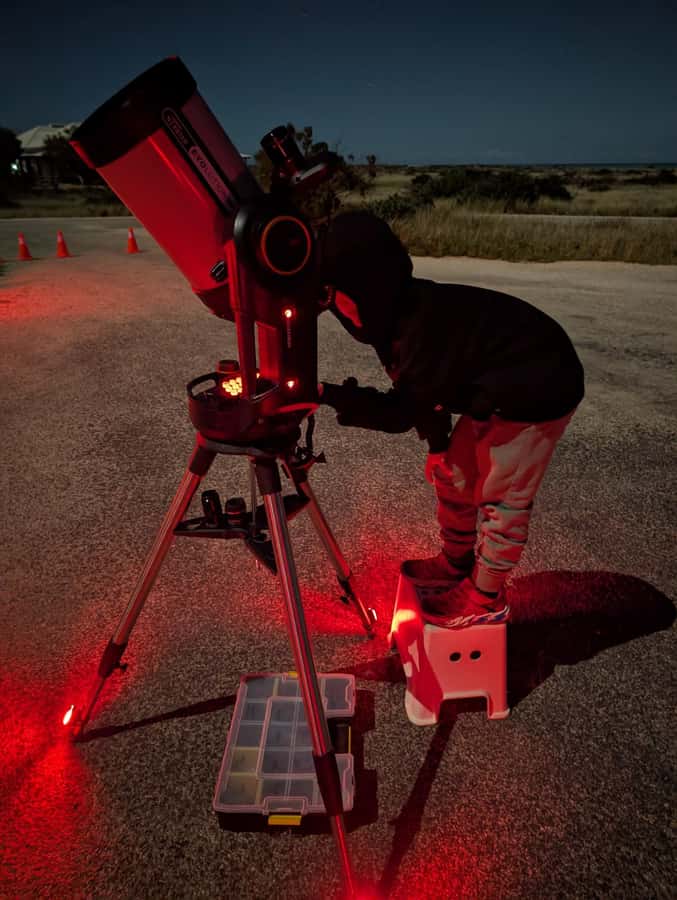
After the guided laser tour, you move into telescope time. This is where the evening turns from learning into looking in a big way.
You’re set up with premium telescopes, and the targets aren’t limited to the obvious. You’ll look for objects like:
- Planets
- Star clusters
- Nebulae
- Galaxies
- Other faint objects that don’t show up well with the naked eye
The point isn’t that everything looks like a space movie. The point is contrast. A telescope can reveal structure you simply cannot guess at from a dark-sky location alone. That’s why the “no waiting forever” setup is so important here. When you get your turn quickly, you actually see the detail before your curiosity fades.
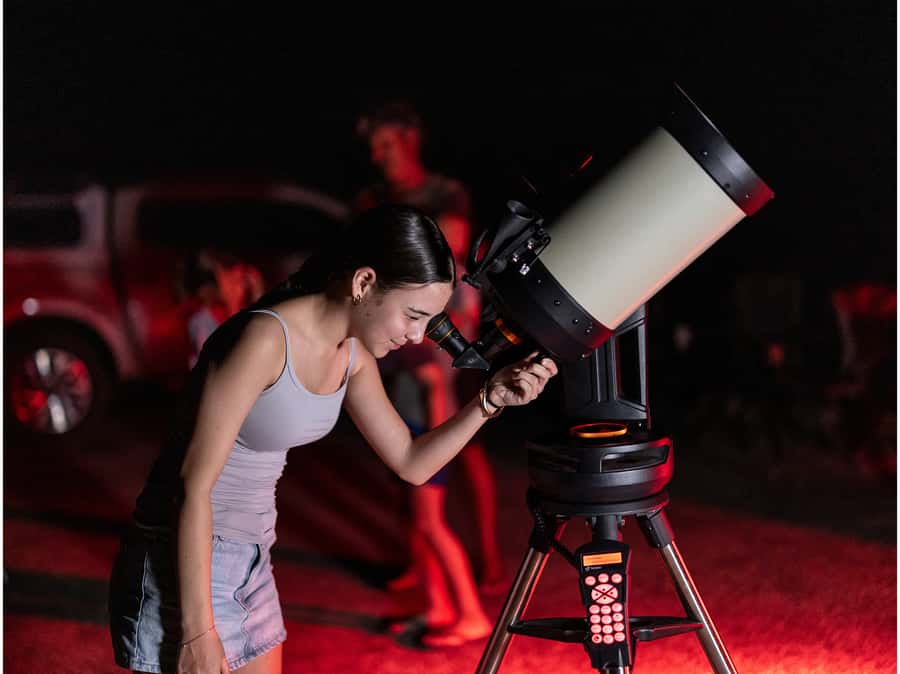
In practice, this often means you’ll spend a meaningful stretch at the eyepiece, not a quick five-second glance. And when the guide points out what you’re looking at, you’re more likely to understand why it looks the way it does.
Small Groups and Eyepiece Time: Maximum Five per Scope
The experience is built around a small-group rule: no more than five guests per telescope. That’s the difference between feeling like a spectator and feeling like part of the observing.
In a large group, you can end up waiting while other people hold the eyepiece. Here, you’re not fighting for time. You also get a more personal rhythm with the guide’s explanations, which helps because the sky changes. Targets appear and shift with time, and conditions aren’t always identical across the viewing window.
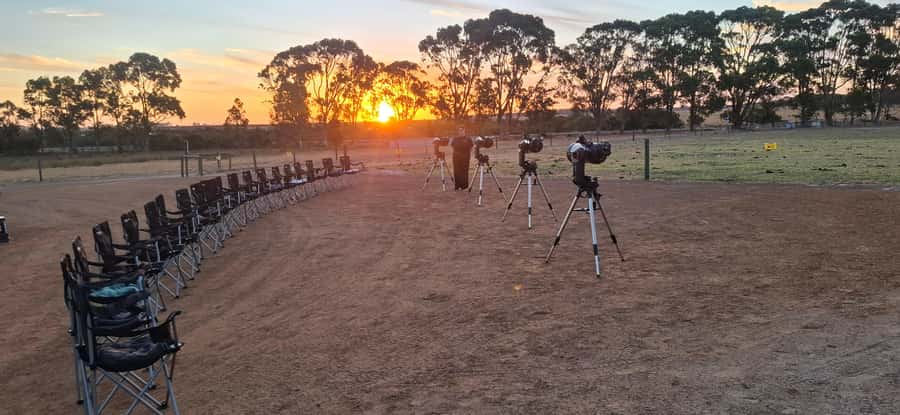
One practical detail that boosts the flow: the night may run with multiple telescopes available (you might have around three scopes in use), so nobody gets stuck in a long line. The end result is a calmer, friendlier vibe even if you’ve never looked through a telescope before.
Comfort Under the Stars: Seating, Blankets, and Hot Chocolate
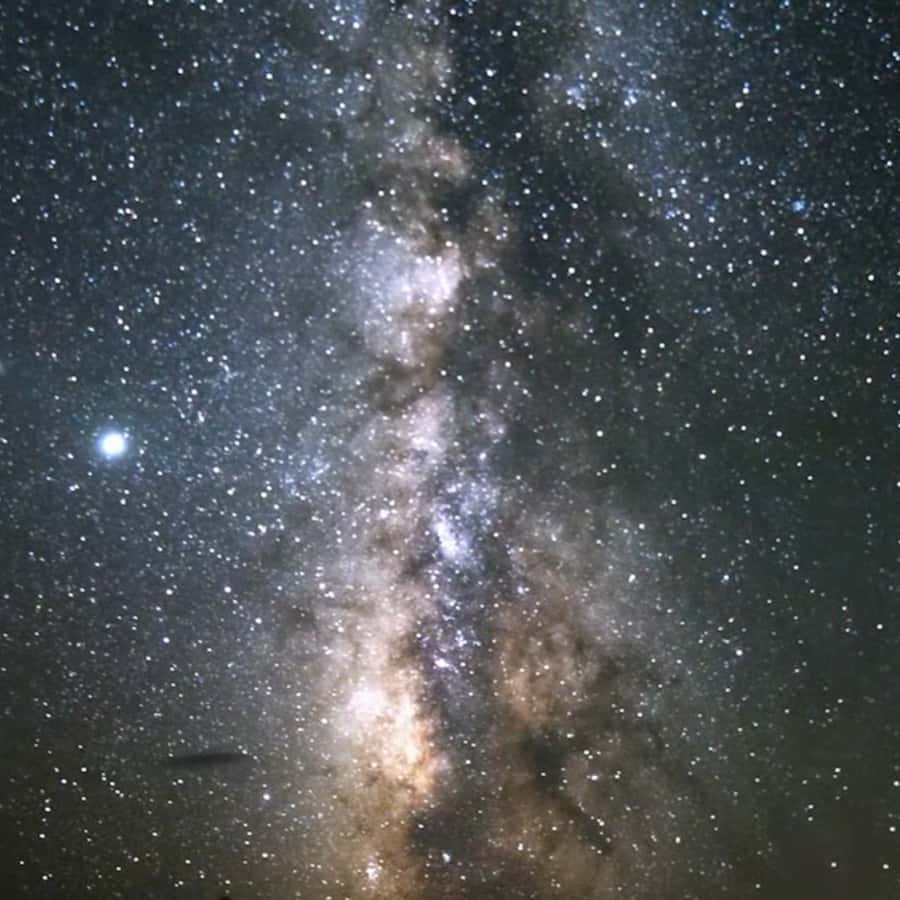
Stargazing is one thing; stargazing comfortably is another. This tour provides seating so you can relax instead of standing rigidly through the lecture-to-telescope transition.
And yes, they treat comfort as part of the experience. Expect blankets, hot chocolate, and a chocolate bar. That small touch changes the tone of the night. You’re not just concentrating. You’re also settling in, which makes it easier to keep your attention on what the guide is showing.
It’s also why the rules around no flash photography and no flashlights matter. If they weren’t managing the light and comfort, the small-group, telescope-focused format would be harder to pull off.
What’s Included (and What Isn’t) for a Smart Value Check
At $60 per person for about two hours, this is priced for a guided, equipment-heavy night: you’re paying for expert hosting, laser-guided interpretation, and premium telescopes with small-group access.
Here’s what you should expect included:
- A hosted astronomy evening with a professional star guide
- A laser tour of constellations, planets, and the Milky Way
- Premium telescopes
- Small group access (max five per telescope)
- Cultural and scientific storytelling
- Seating, plus blankets and warm drink/snack extras
- An inclusive experience designed for different ages and interest levels
- Wheelchair accessibility
What isn’t included:
- Transport to and from the meeting point
- Meals
- Alcohol
- Accommodation
- Personal expenses
- Travel insurance
So the value question comes down to this: do you want a structured, guided night with premium views, not just a DIY sky session? If yes, the price feels fair. If you already have your own telescope, a solid star app, and the patience to figure things out, you might prefer a cheaper DIY approach. But for most people, the guidance plus telescope access is exactly what turns “pretty stars” into “I get it.”
Who This Is Best For (and Who Might Want a Different Option)
This tour is a strong fit if:
- You’re seeing Esperance for the first time and want one “night activity” that’s genuinely different
- You enjoy learning without it feeling like homework
- You want your stargazing to include both culture and science
- You’d rather look through a telescope than just scan the horizon
- You appreciate small groups and enough time at the eyepiece
It may be less ideal if:
- You’re hoping for a full-night marathon of observation (the format is about two hours)
- You want a casual walk where you control the agenda (this is guided and structured)
- You plan to bring kids who can attend without an accompanying adult (unaccompanied minors aren’t allowed)
Quick Practical Tips Before You Go
A few things will help you get the most from the experience:
- Plan to arrive ready for low-light rules: no flash photography and no flashlights
- Wear something warm enough for an evening outdoors, even with blankets provided
- If you’re bringing someone who’s anxious about new experiences, this is a good choice: the guide keeps things clear, and the small-group setup reduces waiting and confusion
- If you’re new to astronomy, lean into the laser tour. It makes the telescope viewing much more satisfying afterward
Should You Book This Astronomy Night in Esperance?
I think you should book if you want a guided, equipment-supported stargazing evening that actually teaches you what you’re looking at. The combination of laser-guided orientation, small-group telescope time, and the Paul-and-Hannah style storytelling is the kind of thoughtful structure that turns a night out into a memory you can explain later.
Skip it only if you’re aiming for an all-night observing session or you’re set on a DIY approach with your own gear. For everyone else, this hits the sweet spot: two hours, real telescope views, and a clear connection between science and the stories people have told about the stars for a long time.
FAQ
How long is the astronomy night experience?
It runs for about 2 hours.
How much does it cost?
The price is $60 per person.
Where do I meet the Ningaloo Stars team?
They meet you in the car park as you arrive.
Is transportation included?
Transport to and from the meeting point is not included.
Are meals included?
Meals are not included.
Does the tour include telescopes?
Yes. You’ll have access to premium telescopes for viewing.
How many people share each telescope?
No more than five guests per telescope.
What does the laser tour cover?
The laser traces constellations, planets, and the Milky Way.
Is the experience wheelchair accessible?
Yes, it is wheelchair accessible.
Are there any rules about light or photography?
Flash photography and flashlights are not allowed, and alcohol and drugs are not allowed either.