REVIEW · AKAROA
Akaroa: Stargazing Tour with 2 Telescopes & Souvenir Photos
Book on GetYourGuide →Operated by Akaroa Stargazing · Bookable on GetYourGuide
Night sky time beats scrolling your feed. In Akaroa, you get pristine dark skies plus two telescope styles that show you the Southern Hemisphere sky in a way most people never see. I like the live photo component and the cozy, patient pacing, but the one thing to watch is the weather: if clouds roll in, your view may be more limited.
The guide for this tour is Luca, and the small-group size (up to 10) keeps things calm and question-friendly. You’ll start with a short safety briefing, then settle in for 75 minutes of guided observing, topped off with a 10-minute photo stop where you can reset, ask one more question, and get your bearings fast.
In This Review
- Key things worth knowing before you book
- Why Akaroa’s dark skies matter more than the telescope
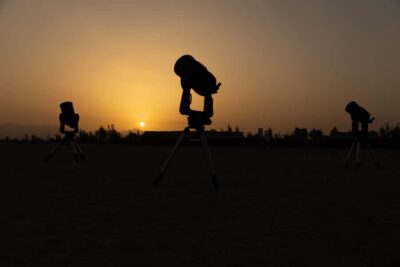
- Two telescopes, two different ways to experience space
- The 10-inch Dobsonian for what your eyes can actually feel
- The ZWO Seestar S50 for live astrophotography you can take home
- The 90-minute flow: safety, guidance, then real viewing time
- Live nebula photos and your next-day souvenir image
- Instant shared photos during the tour
- Personalized souvenir photo sent the next day
- Luca’s small-group approach: lots of questions, no rushing
- Comfort on a cold night: blankets, hot drinks, and real clothing advice
- Meeting point and logistics for an easy start
- Price check: what $65 buys you in real value
- Who this tour fits best, and who might want another option
- Should you book Akaroa Stargazing with 2 Telescopes?
- FAQ
- How long is the Akaroa stargazing tour?
- Where do we meet for the tour?
- What telescopes are used during the experience?
- What photos are included?
- Is hotel pickup included?
- What should I bring, and what isn’t allowed?
Key things worth knowing before you book
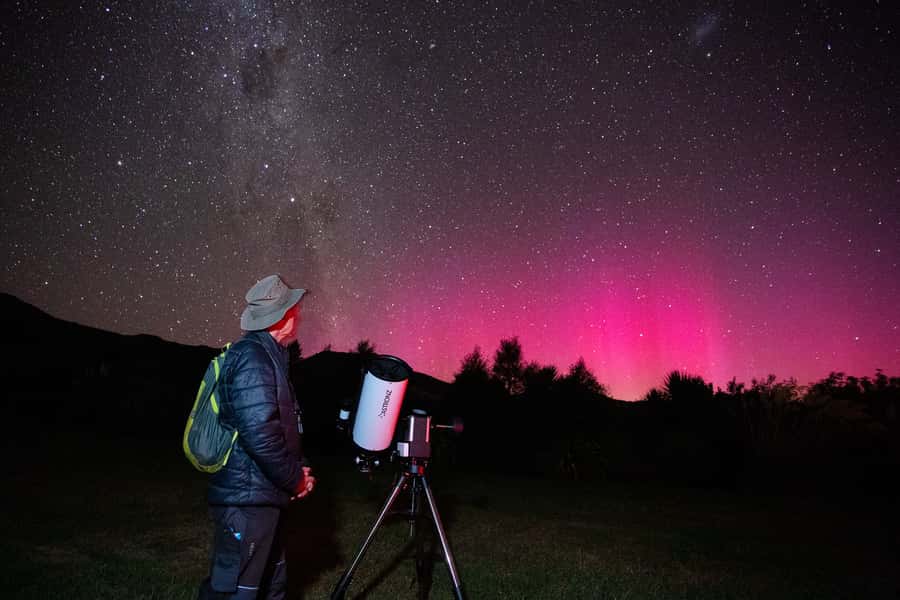
- Akaroa’s dark-sky location means you’re not fighting city glare for the Milky Way and fainter objects.
- A 10-inch Dobsonian gives you big, satisfying visual views for planets and deep-sky targets.
- A ZWO Seestar S50 smart telescope captures nebulae live so you can see photos right away.
- Instant shared digital photos from the live astrophotography side make the night feel like progress, not guesswork.
- A personalized souvenir image gets sent the next day, so you’ll remember more than just with a blurry phone shot.
- Small-group pacing + blankets + hot drinks make a cold, quiet night actually enjoyable.
Why Akaroa’s dark skies matter more than the telescope
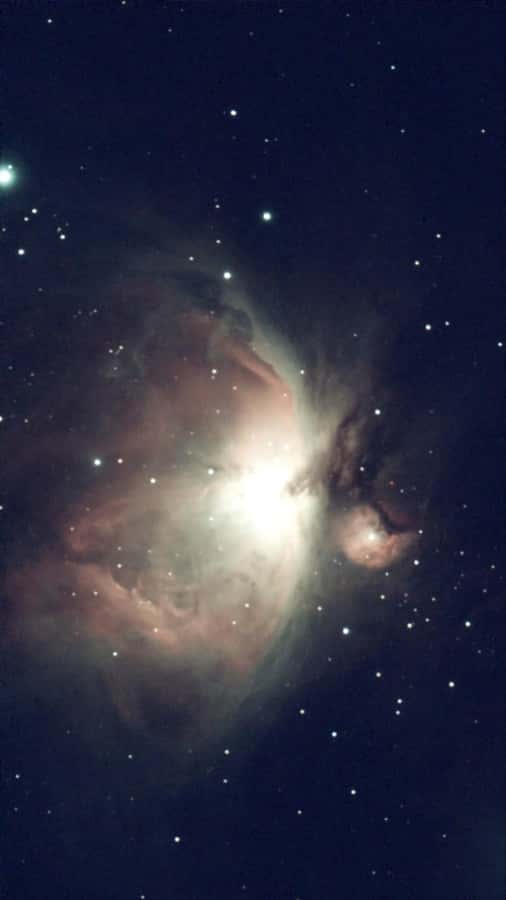
Akaroa is famous for night sky viewing, and this tour leans hard into that. The big advantage isn’t just that the sky is pretty. It’s that you’re far enough from city light pollution to actually see faint details—things that look like “maybe” under bright skies, but become clear under darker ones.
This is also why I think the tour is a good fit even if you’ve never used a telescope. You don’t need technical skills to appreciate the change when the Milky Way becomes visible overhead, or when nebula targets stop being theoretical and start looking like real, structured objects through the glass.
Still, keep one practical expectation in mind: astronomy is weather-driven. When skies are clear, the tour shines. When they aren’t, you’ll still get guidance and the experience, but the visuals can’t perform miracles.
You can also read our reviews of more tours and experiences in Akaroa.
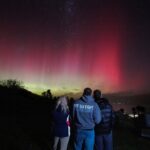
Two telescopes, two different ways to experience space
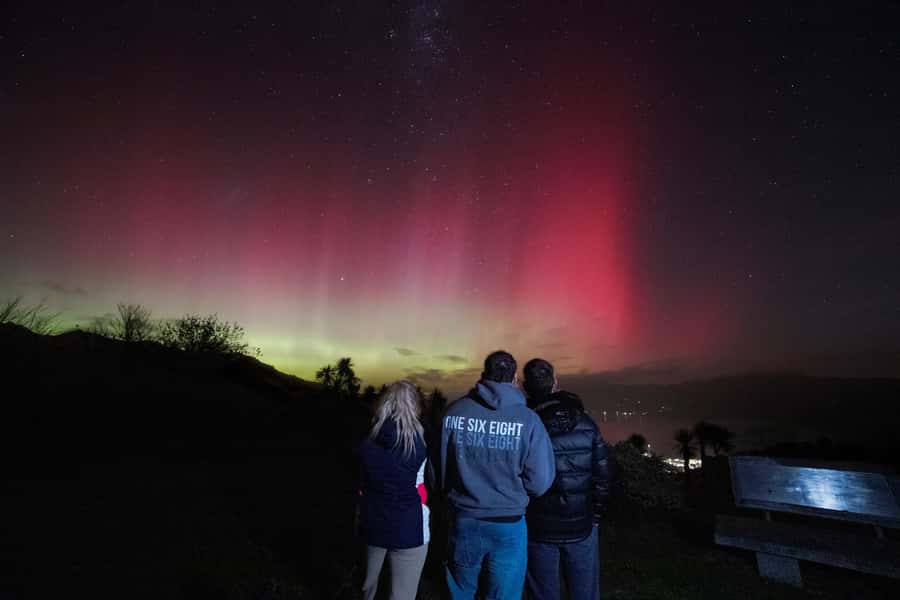
This tour uses two instruments, and that combination is a smart move for beginners.
The 10-inch Dobsonian for what your eyes can actually feel
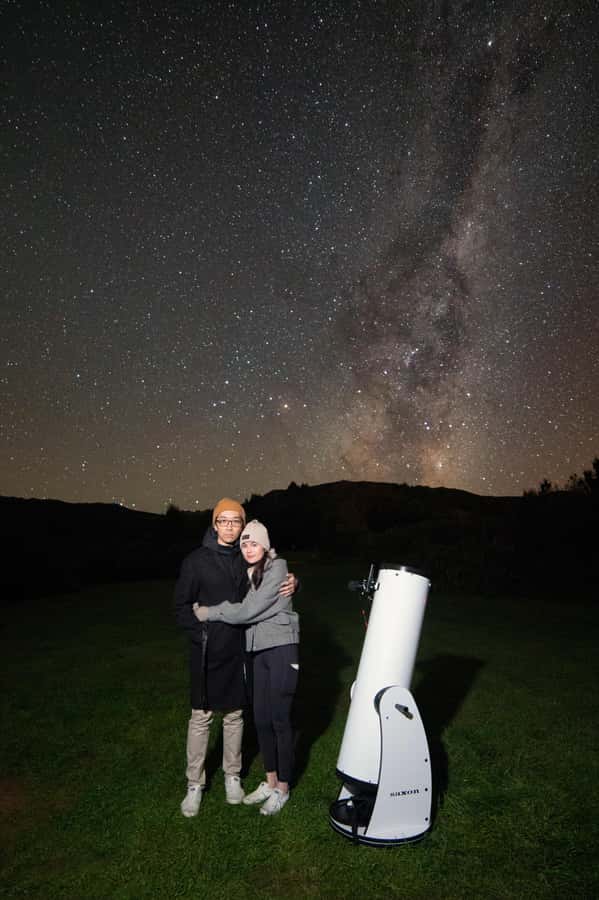
A 10-inch Dobsonian is built for serious light-gathering. Translation for your night: you’re more likely to see planets with satisfying visual presence and to pick out deep-sky objects with clearer contrast than you would with smaller gear. You get the classic “look and understand with your own eyes” feeling—no screen required.
Dobsonians also tend to be straightforward to operate, which helps keep the experience flowing during a limited 90-minute window. The goal is not to turn you into an astronomer. It’s to show you why this hobby exists.
The ZWO Seestar S50 for live astrophotography you can take home
The ZWO Seestar S50 is the tour’s photo powerhouse. It captures nebulae and deep-sky objects live during your session, then shares the images immediately. That matters because your phone can’t do this in real time, and your eyes might not catch the same faint details the camera can tease out.
If you like having something tangible to remember later, this is where the tour scores big. You leave with digital photos of nebulae and deep-sky objects, not just memories.
The 90-minute flow: safety, guidance, then real viewing time
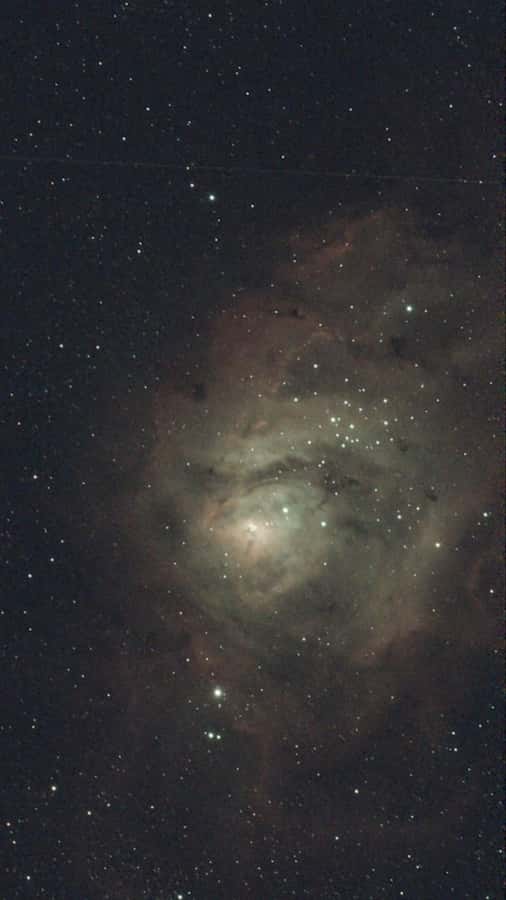
The pacing here is designed for a night that’s cool, dark, and time-limited.
- You start with a short safety briefing (about 5 minutes). This is the quick practical part: how to move safely around equipment, what to do with your gear, and how the group will handle darkness.
- Then you get 75 minutes of guided stargazing. This is the core. Luca guides what you’re seeing, explains what it is, and helps you connect the dots between what’s in the sky and what the telescopes show you.
- Finish with a 10-minute photo stop. This gives you a moment to reset and capture your own “I was here” memories while the sky is still doing its thing.
A key detail: no flashlight. That’s not just a rule for optics nerds. It protects the dark adaptation so you keep seeing, instead of turning your night into a series of bright resets.
Live nebula photos and your next-day souvenir image
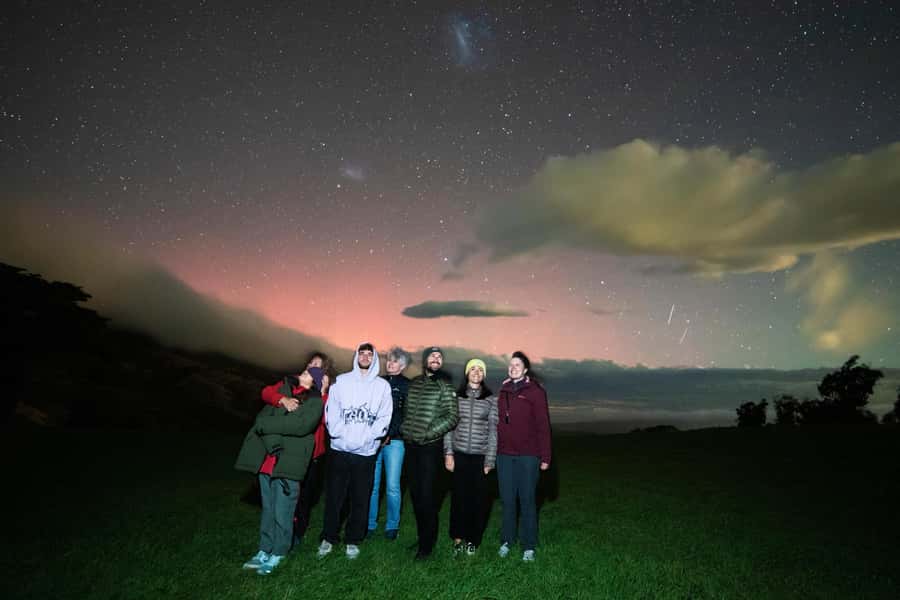
A lot of stargazing tours offer a nice memory and a maybe photo. This one adds something more useful: digital souvenirs tied directly to the objects you’re looking at.
Instant shared photos during the tour
As the smart telescope captures nebulae and deep-sky targets live, the tour provides digital photos you can share right away. For you, that means you can compare what you’re seeing through the telescope with what the camera reveals—often in moments, not days.
This is especially helpful if you have trouble locating faint objects. You’re not just hunting by eye. You’re getting confirmation through the live astrophotography results.
Personalized souvenir photo sent the next day
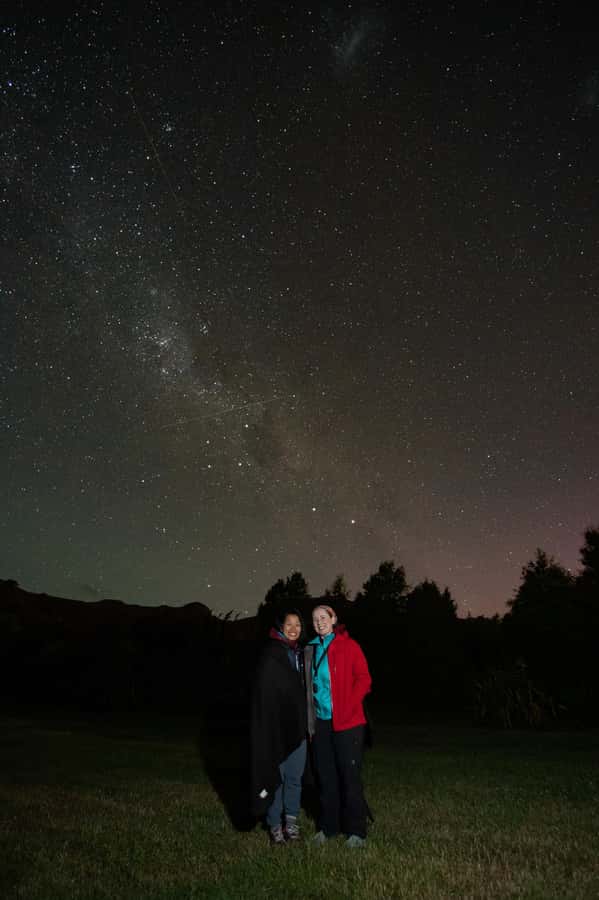
You also get a unique digital souvenir photo of you under the night sky, sent the next day. That’s a nice “future you will be glad this exists” benefit, because it takes the pressure off trying to get a great starry shot with a phone while you’re freezing and learning the sky.
Also, next-day delivery means you’re not walking away wondering whether your photos turned out. You’ll have a built-in remembrance.
Luca’s small-group approach: lots of questions, no rushing
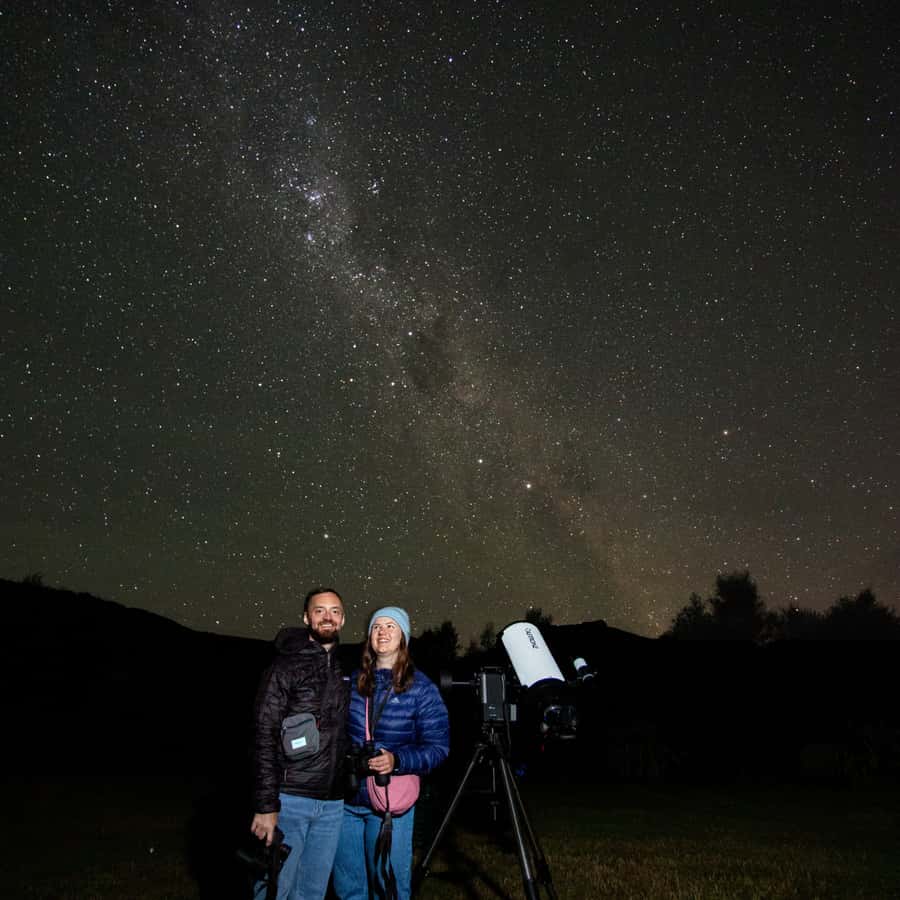
The guide makes a difference on astronomy nights, and Luca’s style is part of what people love about this tour. The guiding tone is friendly, with real enthusiasm for space and a focus on making the sky make sense.
In practice, that usually means three things you’ll feel during the tour:
- You get time to ask. Instead of being marched through “here’s a star, next,” you can ask follow-ups and get patient answers.
- You’re not rushed. The pacing gives you time to look through the Dobsonian, then switch to the smart telescope segment without the feeling that you’re falling behind.
- You get context, not just names. You’re shown what you’re seeing and why it matters, which turns the night from a spectacle into something you understand.
The small group limit (10 participants) also helps. You can actually see what’s going on, and you’re less likely to be stuck behind taller people or crowded out of the viewing area.
Comfort on a cold night: blankets, hot drinks, and real clothing advice
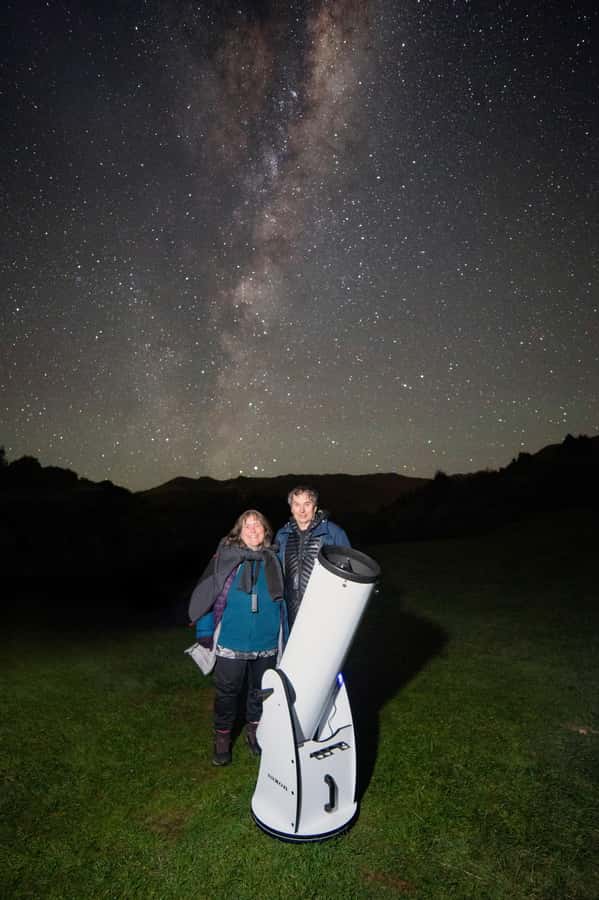
Stargazing is simple: it’s dark and it’s cold. This tour deals with both.
You’ll get complimentary hot drinks and cozy blankets. That changes the whole feel of the evening, because comfort is what lets you stay focused on the sky instead of counting minutes until you can warm up.
What you should bring is just as important:
- Warm clothing
- Closed-toe shoes
One small but real tip: dress for longer time outdoors than you think you need. Even a 90-minute tour can feel longer when you’re waiting for your eyes to adjust and when you’re trying to keep still during telescope viewing.
Meeting point and logistics for an easy start
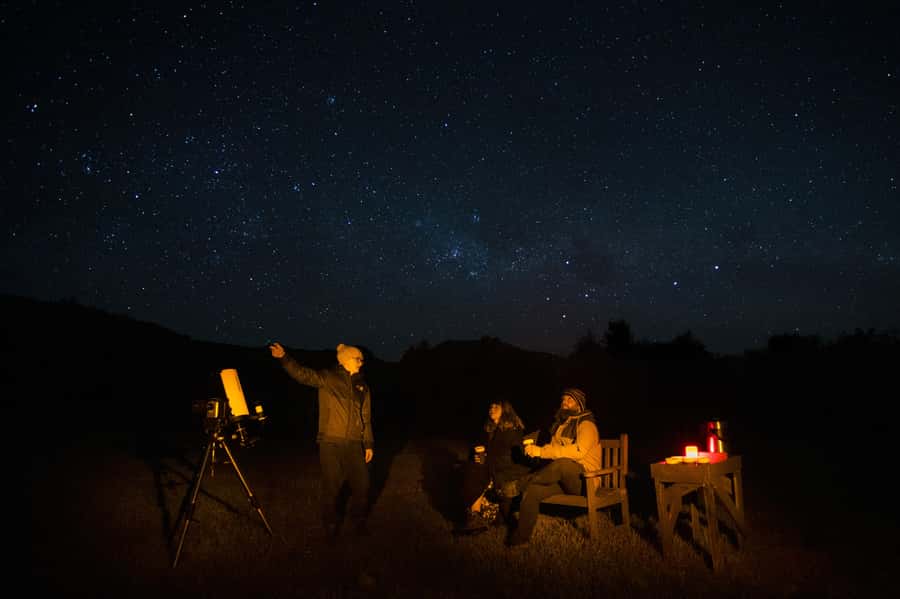
This is a “show up and go” setup, not a pickup-and-drop-off tour.
- Starting location: 280 Long Bay Road
- Where to meet: the guide greets you about 10 minutes before departure at the car park.
- Transport to the viewing area: it’s to Akaroa Heritage Park, and hotel pickup/drop-off isn’t included.
You’ll want to arrive a bit early so you’re not rushing in the dark. Also, if you’re driving yourself, it’s worth factoring in time to park, then get your warm layers on before you start the safety briefing.
Duration is 90 minutes total, with the tour itself taking 75 minutes plus a 10-minute photo stop.
Price check: what $65 buys you in real value
At $65 per person, this tour sits in a reasonable range for a guided, equipment-based experience. The value isn’t just the telescopes. It’s the combination of:
- expert guidance from Luca,
- a real viewing window (75 minutes of guided stargazing),
- two different telescope systems used during the same outing,
- and digital photo deliverables that you keep.
That last part matters. If you’ve paid for a tour before where you got a nice memory but no usable images, you know how disappointing that can be. Here, you get instant shared photos of nebulae and deep-sky objects, plus a personalized souvenir photo sent the next day.
Is it a bargain? It depends on what you’re comparing it to. If your alternative is a self-guided drive and guesswork, this feels like better value. If your goal is purely budget-free stargazing, then you’d skip the tour. But for most visitors who want their night sky experience to be guided and documented, $65 is a fair trade.
Who this tour fits best, and who might want another option
This stargazing tour works well for:
- Beginners who want structure and clear explanations.
- Families and people of all ages (it’s designed for that range).
- Visitors who care about comfort as much as astronomy.
- Anyone who wants both visual telescope time and photo results.
It might not be the best match if:
- You hate cold evenings and don’t want to commit to warm clothing and outdoor time.
- You’re expecting a guarantee of specific celestial objects. The tour is built around dark skies and guided observing, but the sky’s mood still matters.
- You want a long sit-and-stare session. This is 90 minutes, so it’s focused, not all-night.
Should you book Akaroa Stargazing with 2 Telescopes?
If you want a high-quality astronomy experience without needing to study beforehand, I’d book it. The pairing of a 10-inch Dobsonian for eye views and the ZWO Seestar S50 for live nebula photos is a smart way to help you see more, understand more, and take home more.
I’d especially recommend it if you’re the type who likes a plan but still wants to ask questions. With Luca guiding a small group of up to 10, the night feels personal without becoming chaotic.
If the sky is clear, it’s the kind of evening that can turn into a highlight of your South Island trip. If it’s not, you’ll still come away with photos and explanations—just with fewer wow-moments than the clearest nights.
FAQ
How long is the Akaroa stargazing tour?
The tour lasts 90 minutes total. It includes a short safety briefing, 75 minutes of guided stargazing, and a 10-minute photo stop.
Where do we meet for the tour?
The meeting point is 280 Long Bay Road. Your guide greets you about 10 minutes before the scheduled departure at the car park.
What telescopes are used during the experience?
You’ll use two telescopes: a 10-inch Dobsonian and a ZWO Seestar S50 smart telescope.
What photos are included?
You get digital photos of nebulae and deep-sky objects shared instantly during the tour. You also receive a personalized digital souvenir photo of you under the night sky, sent the next day.
Is hotel pickup included?
No. Hotel pickup and drop-off are not included. Transport to Akaroa Heritage Park is part of the experience, but you should plan to meet at the stated meeting point.
What should I bring, and what isn’t allowed?
Bring warm clothing and closed-toe shoes. Flashlight is not allowed, and alcohol and drugs are also not allowed.