REVIEW · SCOTTSDALE
After Dark Desert Tour and Navigating the Night Sky
Book on Viator →Operated by My Arizona Guide · Bookable on Viator
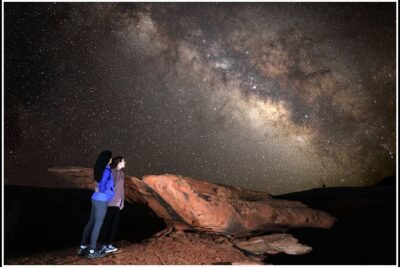
Stars look better when Phoenix turns off. This after-dark Scottsdale experience takes you out of city glow for a guided look at the moon, planets, constellations, and the desert’s nighttime life. You get a sunset drive that sets the mood, then a short walk where flashlights and black lights help you see movement you’d otherwise miss.
Two things I really like: the guide storytelling with Arizona’s human history and night-sky navigation, and the practical comfort of a tour built around a manageable pace. One thing to consider is that the tour description mentions telescopes, but at least one guest reported telescopes were not used on their date, so it’s worth asking what’s actually set up that evening.
In This Review
- Key Highlights You Should Know Before You Go
- Trading Phoenix Glow for an Arizona Night Sky
- The Sunset Drive That Sets Up the Best Views
- Constellations and Ancient Navigation (Not Just Star Spotting)
- Walking at Night: Easy Pace, Extra Tools
- Telescopes, Binoculars, and What You Might See
- Wildlife After Dark and the Guide’s Other Tricks
- Snacks, Drinks, and Night Comfort for 3 Hours
- Price and Value: Is $425 Worth It?
- Who This Tour Suits Best
- Quick Practical Notes Before You Book
- Should You Book This After Dark Desert Tour?
- FAQ
- How long is the After Dark Desert and Navigating the Night Sky tour?
- Is pickup available from hotels in the Phoenix area?
- What’s included in the tour?
- Does the tour include stargazing equipment?
- How much walking is involved?
- Is this tour private?
- What happens if weather is bad?
Key Highlights You Should Know Before You Go
- Sunset-to-stars pacing: you start at dusk and only head to the dark-sky spot once it’s worth it
- Guide-led constellations: you don’t just point at stars; you connect them to navigation traditions
- Stargazing gear on hand: telescopes and binoculars are part of the concept, plus flashlights and black lights
- A short, easy night walk: designed so most people can participate
- Nighttime snacks and drinks: water, juices, Arizona tea, fresh fruit, nuts, and snack bars
Trading Phoenix Glow for an Arizona Night Sky
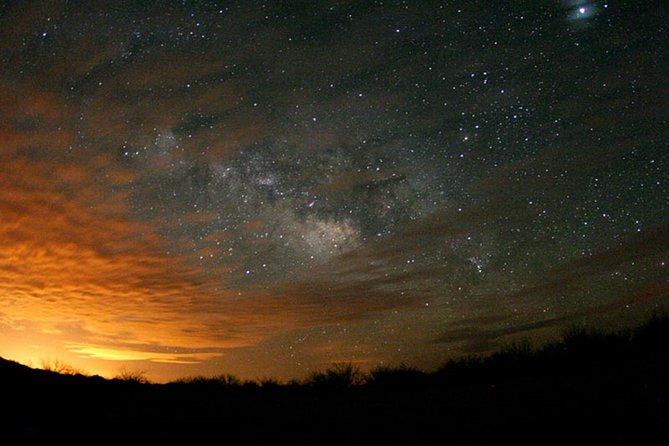
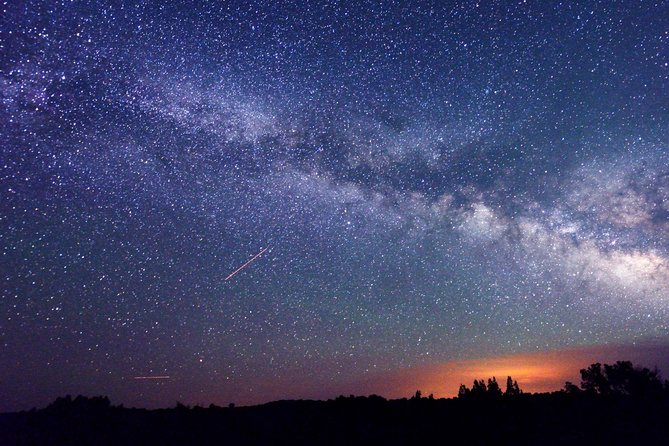
This tour is built on one simple idea: the desert makes the sky look like a different universe. Scottsdale and the Phoenix area are bright. Even on a clear night, city light can wash out faint stars. Head out after dark and the stars snap back into focus, and the guide helps you make sense of what you’re actually looking at.
What makes it feel special is that the stargazing is not a stand-and-guess experience. The guide uses the night sky like a map. You’ll learn constellations, and you’ll hear why people long ago used the sky for travel and timing when they were exploring unknown terrain. It turns “pretty stars” into something with direction and meaning.
The Sunset Drive That Sets Up the Best Views
Your evening starts with a sunset desert tour. That part matters more than you’d think. Starting at dusk gives your eyes time to adjust, and you also get context for where you are. The guide doesn’t just talk about stars. You get points along the way—landforms, desert vegetation, and the ways people have lived in Arizona for thousands of years.
From there, you head toward the stargazing area in time for the sky to get darker. Several guests mention the Superstition Mountains area and even a stop related to a ghost town experience, so expect the drive to include real Arizona stops, not just a straight shot to the parking lot. If you’re the type who likes a story during the drive, you’ll probably enjoy this structure a lot.
Constellations and Ancient Navigation (Not Just Star Spotting)
Once it’s dark enough, the tour shifts into a guided sky lesson. You’ll use telescopes and binoculars at the stargazing spot, and the guide orients you to the sky so you can find things again later on your own.
The standout theme is navigation. The tour framework explicitly connects constellation learning with ancient navigation traditions, and that’s what turns this from a “tour of the sky” into a “tour of how humans read the sky.” The guide also weaves in Arizona’s long timeline of cultures and peoples, including references to groups tied to the region’s past such as Clovis, Folsum and Basketmakers, Anasazi, Salado and Hohokam, and more modern presence including Hopi, Pai, Pima, along with Apache and Navajo. It’s not presented like a textbook. It’s used to explain why the sky mattered enough to track.
If you like when travel history and science overlap, this is where the tour earns its keep.
Walking at Night: Easy Pace, Extra Tools
You should expect an easy walking tour. The itinerary includes a short walk for looking at movement, and the tour provides black lights and flashlights to help you do that safely and effectively. That means you’re not just staring up; you’re also training your eyes for what the desert does after dark.
A desert night can feel quiet from a distance, but up close it’s full of signs: tiny reflections, sudden movement, and creatures that only show up once the temperature drops. The guide also helps you figure out what you’re seeing without forcing you to guess.
Practical note: bring whatever you normally use for night walks (a light layer is smart even in warm months), but the tour is designed so most travelers can participate.
Telescopes, Binoculars, and What You Might See
This is the part guests care about most: what the gear actually shows you.
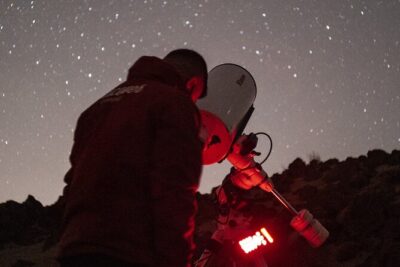
The tour description indicates telescopes and binoculars are available for viewing the moon and stars, with glimpses of distant planets. It also includes special lighting tools to make the night walk manageable. In multiple accounts, telescopes have been set up for views like Jupiter and its moons, and Saturn’s rings. Guests also mention seeing planets such as Venus and Uranus, plus stars like Polaris.
Still, here’s the consideration: one guest reported that telescopes and binoculars were referenced in the tour description, but telescopes were not provided or used on their date. That doesn’t mean it’s always an issue, but it’s enough to suggest you should message or ask the operator ahead of time: will a telescope be used for your group that night, and when?
If the sky is clear, this tour can be the kind of night where your brain goes quiet and just watches.
Wildlife After Dark and the Guide’s Other Tricks
A desert stargazing trip feels educational, but the best versions also add a bit of surprise. This tour leans into that with nighttime creature spotting and the guide’s habit of bringing along interesting extras.
Several guests mention meeting reptiles or other creatures presented by the guide. Whether it’s live introductions or careful pointing out of what’s moving nearby, the goal is the same: help you pay attention with confidence, not fear. The guide focuses on safety and a fun pace, and you’ll likely feel comfortable even if you’re not a “nature person.”
One review also notes listening to wildlife in the Superstition Mountains while the sky got darker. That’s the vibe: guided observation plus the real desert ambiance doing its thing.
Snacks, Drinks, and Night Comfort for 3 Hours
For a 3-hour evening, food and drink matter. This tour includes water, juice, Arizona tea, fresh fruit, nuts, and snack bars. It’s not a feast, but it’s enough to keep you from getting sluggish or cranky while you wait for stars to pop.
Comfort upgrades show up too. Guests describe chairs facing the sky and even cots and blankets for lying back and watching. You can expect the guide to help you settle in for longer looks, not just move you from point to point.
If you’re visiting with kids, or you just don’t want to be standing the whole time, those little comfort choices can make a big difference. I also like that the tour provides gear like flashlights, since it means you’re not hunting around your car for batteries mid-evening.
Price and Value: Is $425 Worth It?
At $425 per person for roughly 3 hours, this is not a bargain-bin night activity. You’re paying for a real guide, a pickup plan that gets you out of the city, dark-sky positioning, and equipment that supports actual viewing.
Here’s where the value comes from:
- You’re not just paying for star gazing. You’re paying for interpretation (constellations, history, and the “why” behind what you see).
- You’re paying for time in darker air. The drive to a better viewing spot is part of the service.
- You’re paying for comfort and snacks that keep the experience enjoyable, not rushed.
If you’re already the kind of traveler who loves astronomy, history, or desert wildlife, the price will feel more reasonable. If you mainly want a quick view of the sky and don’t care about context, you might find a cheaper option elsewhere.
Who This Tour Suits Best
This tour fits best if you want an organized, story-driven night in the desert.
It’s a good match for:
- Couples looking for a romantic, calm evening with clear stargazing focus
- Families with kids who can handle a short walk and want a guide who keeps things engaging
- People who enjoy learning—especially where Arizona history and science connect
- First-timers to desert night skies who want help finding their way
If you’re someone who needs heavy mobility support, you might still want to ask questions since the tour includes an easy walking segment and a short night walk. The good news is that the experience is described as easy walking and “most travelers can participate,” and it’s designed for safety.
Quick Practical Notes Before You Book
Pickup is offered for hotels across the Phoenix area, and you’ll receive confirmation within 48 hours of booking (as long as availability is there). Service animals are allowed. The experience is described as private, meaning only your group participates.
Also keep weather in mind. The experience requires good weather, and if it’s canceled due to poor conditions, you’ll be offered a different date or a full refund.
That weather point isn’t small. Stargazing is fragile. If clouds roll in, your night can change fast.
Should You Book This After Dark Desert Tour?
I’d book it if you want a guided desert night that mixes constellations, Arizona cultural history, and real stargazing time with comfort and snacks. The guide’s style—warm, engaged, and focused on safety—shows up again and again in the way people describe the evening.
I would hesitate only if telescopes are your top priority and you’re not comfortable checking details first, given that one guest reported telescopes weren’t used on their date. If you do book, send a quick question asking what gear will be set up for your night and when telescope time happens.
In the right conditions, this is the kind of Scottsdale-area activity that gives you a sky you’ll remember long after you’re back under indoor lights.
FAQ
How long is the After Dark Desert and Navigating the Night Sky tour?
The tour is about 3 hours.
Is pickup available from hotels in the Phoenix area?
Yes. Pickup is offered at just about any hotel in the Phoenix area.
What’s included in the tour?
The tour includes water, juice, Arizona tea, fresh fruit, nuts, and snack bars.
Does the tour include stargazing equipment?
The experience is described as including telescopes and binoculars, along with flashlights and black lights for the night walk.
How much walking is involved?
It’s described as an easy walking tour and includes a short walk.
Is this tour private?
Yes. It’s listed as a private tour/activity, so only your group participates.
What happens if weather is bad?
The experience requires good weather. If it’s canceled due to poor weather, you’ll be offered a different date or a full refund.