REVIEW · SOKCHO
Missionary Memorial Hall and Goseong DMZ Observatory from sokcho
Book on Viator →Operated by TONY'S EASTERN DMZ TOUR · Bookable on Viator
DMZ history hits fast on this Sokcho tour. You get a smart mix of missionary-era education and medicine themes plus Korean War learning stops, all packed into a private 4–5 hour morning/early-day run.
Two things I really like: the guide’s clear English commentary makes heavy subject matter easier to follow, and the pacing hits the right balance of outdoor breaks (like Yeongnangho Lake) and focused museum time. One consideration: this tour is not offered on Mondays because the museum is closed, so you’ll want to lock in your day before you get too excited.
In This Review
- Key highlights you’ll care about
- A half-day route that links missionaries to the Korean War
- Getting from Sokcho: pickup, start time, and real-world pacing
- Yeongnangho Lake: the quick wellness walk that resets your brain
- Hwajinpo Pine Forest Road and the Sherwood Hall family memorial
- DMZ Museum: understanding the Korean War without getting lost
- Goseong Unification Observatory: the postwar meaning in one focused hour
- Missionary-era themes: why this pairing actually makes sense
- Price and value: what $90 really buys you in practice
- Who this tour is best for (and who should pass)
- Rain, timing, and why the guide matters more than you think
- Should you book this Sokcho DMZ + missionary legacy tour?
- FAQ
- Is this tour available on Mondays?
- What time does the tour start in Sokcho?
- How long does the experience take?
- How much does it cost?
- Is pickup included?
- Are tickets digital or paper?
- What stops are included?
- Are admission fees included?
- Are meals included?
- What physical effort should I plan for?
- What’s the cancellation window for a full refund?
Key highlights you’ll care about
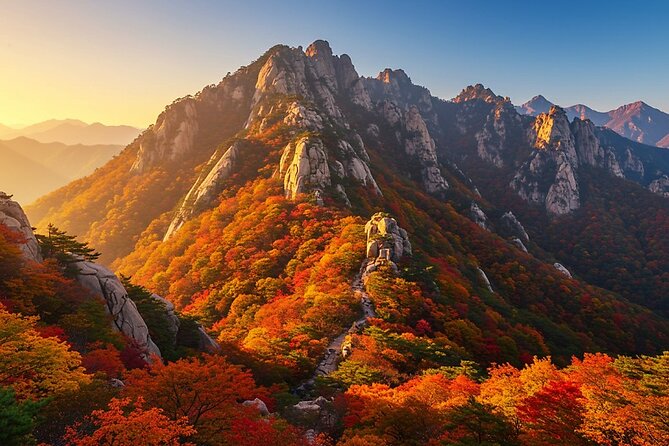
- Private group experience from Sokcho with pickup offered and mobile tickets
- Yeongnangho Lake: a short 20–30 minute wellness walking loop with photo stops
- Hwajinpo Pine Forest Road memorial to the Sherwood Hall family and their tuberculosis work and teaching
- DMZ Museum time (about 2 hours) to understand how the Korean War shaped modern Korea
- Goseong Unification Observatory (about 1 hour) focused on postwar consequences and the Cold War context
A half-day route that links missionaries to the Korean War
This isn’t a sightseeing-only day. It’s built around two forces that shaped modern Korea: Christian missionary arrival in the late 1800s and the Korean War. You’ll feel that connection as the day moves from seaside nature to education/health-focused remembrance, then into war history and postwar division.
The missionary story here isn’t vague. The tour frames how blue-eyed missionaries helped build hospitals and schools when Korea was very poor and modern medicine was rare. The focus is practical—free care, schooling, and the long-term impact of institutions that later grew into major universities and hospitals. When you connect that background to a real memorial tied to the Sherwood Hall family, it lands with more meaning than a generic lecture.
Then you hit the Korean War learning stops. You’re not just skimming dates—you’re learning the overall arc of the conflict and how it created the Cold War structure of the 20th century. If you like history that connects causes to everyday consequences, this tour has the right shape.
Getting from Sokcho: pickup, start time, and real-world pacing
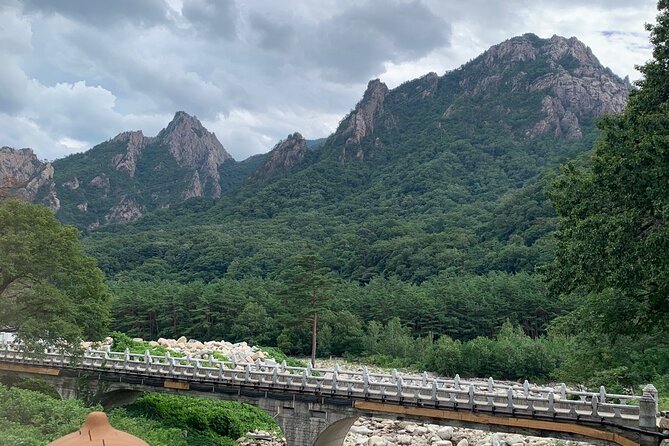
You start at 8:30 am from Sokcho. The schedule is built for a full experience without turning into a long day. Expect around 4 to 5 hours total, including transit between stops.
Because it’s private and designed around your group, the day doesn’t feel like a nonstop conveyor belt. You’ll have short windows to stretch your legs and take photos—then dedicated time to sit with exhibits and explanations. A big part of what makes this work is the guide’s ability to keep the day moving when the subject matter is intense (the DMZ-related topics can feel heavy).
One practical tip: bring whatever you need for changing weather. In coastal Korea, mornings can swing. If you run into rain, you’ll still be able to do the museum-and-observatory portion comfortably, and you’ll have a guide who can adapt rather than shutting the whole day down.
Yeongnangho Lake: the quick wellness walk that resets your brain
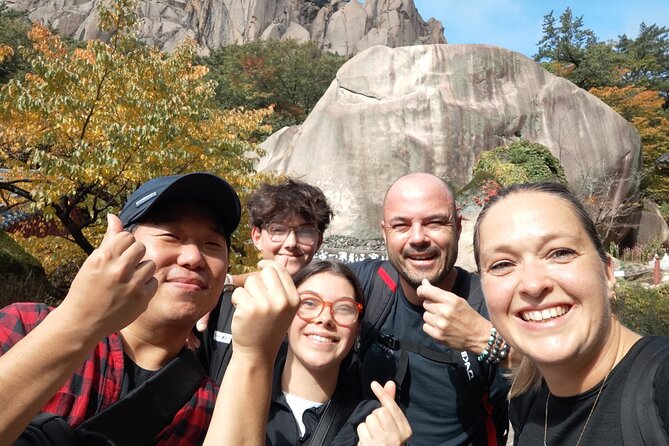
Yeongnangho Lake is one of those stops that makes the whole tour feel balanced. You get about 30 minutes, and it’s set up as a 20–30 minute wellness walking course. That means it’s not a strenuous hike, but it’s enough movement to keep you from feeling locked into “museum mode” immediately.
You’ll also get the kind of photo opportunities that come from a lagoon setting—water views, shoreline angles, and good moments for simple pictures that don’t require perfect planning. Even if you’re not a photo person, it’s a nice mental reset before you start learning about war and division.
What to watch for: wear shoes you’re comfortable walking in. Even though it’s short, it’s still a walk on a course meant for strolling, not just standing.
Hwajinpo Pine Forest Road and the Sherwood Hall family memorial
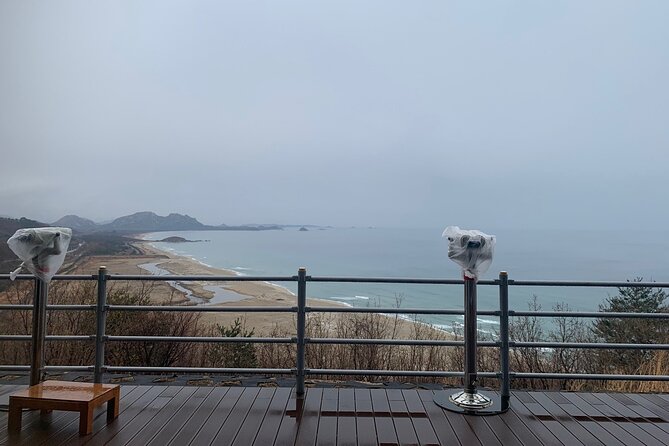
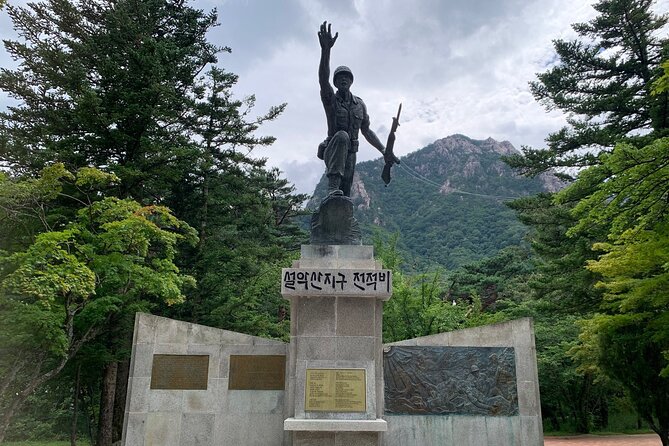
This is a standout stop if you care about how ordinary people were affected during hard times. Hwajinpo Pine Forest Road includes a memorial dedicated to the Sherwood Hall family, who spent two generations dealing with tuberculosis and educating everyday people in the impoverished Joseon era.
That detail matters. It turns the missionary theme from “big historical idea” into “real people and real suffering.” And it gives you a different lens on modern Korea than the typical focus on politics. When the tour explains how missionaries contributed to hospitals and schools, this memorial is the human-sized anchor.
You’ll also see how education and health were linked. In many places, schooling wasn’t just about textbooks—it was part of survival, stability, and rebuilding a society that lacked modern medical systems.
Possible drawback: this stop is reflective rather than high-energy. If your idea of a great tour is constant visuals, you might find it quieter than the DMZ Museum later in the day—but that’s also why it’s meaningful.
DMZ Museum: understanding the Korean War without getting lost
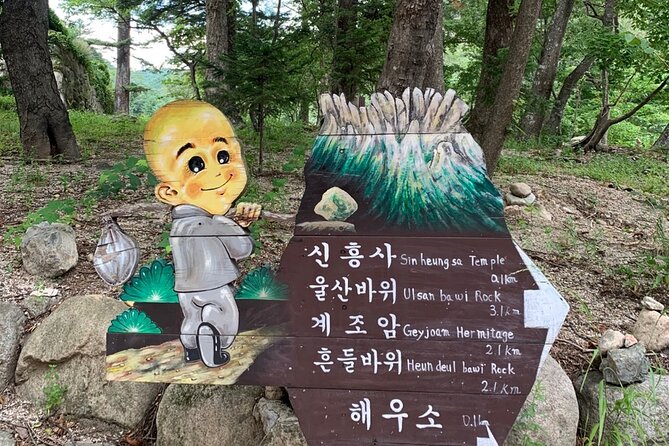
The DMZ Museum is where the morning turns serious. You’ll spend about 2 hours learning about the Korean War, which the tour frames as the biggest event shaping modern Korea.
What I like about this setup is that it gives you context first, not last. Instead of treating the DMZ as a vague political symbol, the tour focuses on the course of the war and how it created a long shadow. The Cold War framing is important here—so the conflict isn’t presented as isolated drama. You get the larger structure behind it.
In my view, museum time is best when you have a guide who can translate big ideas into plain language. A strong English-speaking guide makes a huge difference because DMZ-related topics can come with confusing terminology. The tour’s commentary is a big part of how the day stays understandable and not overwhelming.
If you’re short on time: don’t try to read every panel like it’s an exam. Use the guide’s explanations to pick up the story thread, then skim visuals that look important to you.
Goseong Unification Observatory: the postwar meaning in one focused hour
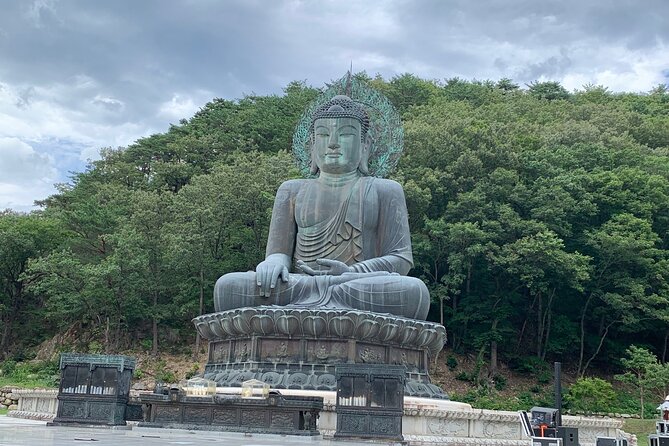
After the museum, you move to the Goseong Unification Observatory, with about 1 hour on site. The emphasis here stays on the Korean War’s consequences—how Korea rose from poverty after the war and how the conflict’s structure shaped the peninsula.
An observatory stop works best when you treat it as more than a view. Yes, you’re at an observatory, but the value is the interpretation. You’re getting the “so what” of what you just learned in the museum: how history shows up in Korea’s modern situation and why unification remains such a powerful topic.
This hour is the payoff time. By now you’ve connected missionary-era modernization and education to a broader story of how Korea tried to move forward while the peninsula remained divided by the war’s aftermath.
What to expect: a calmer, more reflective finish than the museum. Use it to ask your guide questions if anything in the museum felt confusing.
Missionary-era themes: why this pairing actually makes sense
Some tours slap together stops and hope the connections happen for you. This one tries harder.
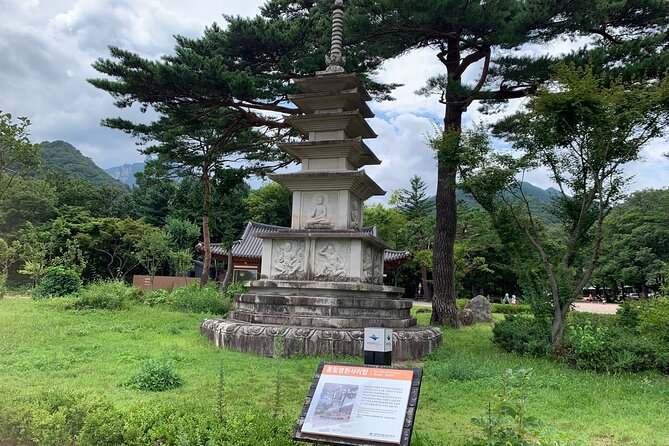
The tour’s big idea is that modern Korea was shaped by two forces—the arrival of Christian missionaries and the Korean War. Missionaries brought hospitals and schools at a time when medical care and modern education were scarce. Later, those institutions helped grow into prominent universities and major hospital systems.
Then the Korean War hits. When you understand the prewar conditions and the missionary contributions to education and medicine, the war isn’t just a tragedy in the abstract. It becomes a disruption of recovery and rebuilding. That makes the later stops feel like part of a single chain of events, not separate sightseeing.
If you want your history to connect cause and consequence, this tour gives you that structure in a way that fits into a half day.
Price and value: what $90 really buys you in practice
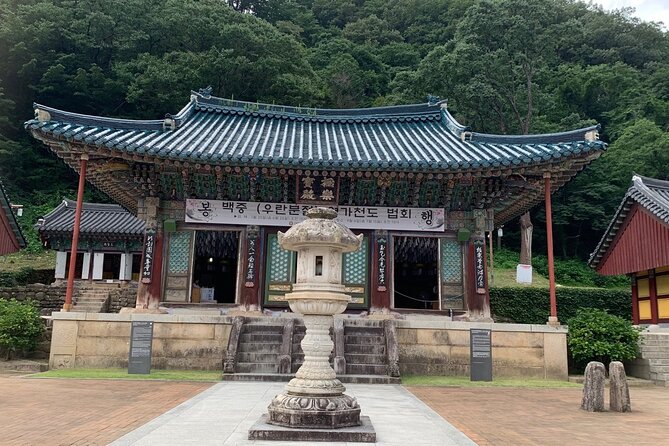
At $90 per person, this tour isn’t the cheapest option in Sokcho. But it’s also not priced like a luxury private day.
Here’s what you’re paying for, in straightforward terms:
- Private group format (only your group participates)
- Pickup offered from near public transportation areas in Sokcho
- Admission fees included for the paid stops (with Yeongnangho Lake noted as free)
- A guide who provides good English commentary, plus enough coordination to keep the day smooth
Value comes from saving you the work of figuring out transportation, managing timing between multiple sites, and paying separate admission fees one by one. If you’d otherwise spend time stitching together a DIY itinerary, the $90 starts to feel less like a flat fee and more like buying convenience plus interpretation.
What you still need to budget for: meals. The tour doesn’t include food, but you’ll get designated free time to eat on your own.
Who this tour is best for (and who should pass)
This is ideal for you if:
- You want a structured introduction to modern Korean history tied to real places
- You like short walking breaks plus museum/observatory time
- You prefer a private format over joining a large bus tour
- You’d appreciate clear English explanations on complex topics
It may not be the best fit if:
- You only have a day or two and your schedule lands you on a Monday (the museum is closed)
- You’re looking for long outdoor adventures rather than history-focused stops
- You want a “read it yourself” experience with zero guided interpretation (this tour’s real strength is the commentary)
The tour asks for moderate physical fitness, mainly because of walking components like Yeongnangho Lake and time spent moving between sites. It’s not described as grueling, but it’s not purely sit-down either.
Rain, timing, and why the guide matters more than you think
DMZ-related tours can get tricky when weather shifts. Coastal rain happens. This tour’s structure helps: major portions are indoor (the museum) and short enough that you’re not stuck outdoors for hours.
One thing that makes the experience feel trustworthy is the guide approach. From what I’ve seen in how this operator runs days, Tony’s style is responsive: he’s friendly, adjusts to interests when possible, and keeps the day working even when conditions aren’t ideal. That’s the kind of flexibility you want when you’re spending money and you’ve only got a limited window in Sokcho.
Also, the tour uses a mobile ticket system. That’s one less thing to manage while traveling.
Should you book this Sokcho DMZ + missionary legacy tour?
Yes, if you want a half-day that teaches you something real without eating your whole day. The combination of Yeongnangho Lake walking reset, the Sherwood Hall family memorial, and then two history-focused stops at the DMZ Museum and Goseong Unification Observatory is a strong way to understand modern Korea in a compact route.
I’d book it sooner rather than later if:
- You’re traveling on a day that’s not Monday
- You care about Korean War context and how it shaped the Cold War era
- You’d rather have a guide explain things in clear English than rely on guesswork
If your ideal trip is mostly nature time, or you’re in Sokcho only on a Monday, you’ll likely feel constrained. In that case, look for another day or a different kind of experience.
FAQ
Is this tour available on Mondays?
No. Tours are not available on Mondays because the museum is closed.
What time does the tour start in Sokcho?
The start time is 8:30 am.
How long does the experience take?
It runs about 4 to 5 hours.
How much does it cost?
The price is $90.00 per person.
Is pickup included?
Pickup is offered, and the tour is designed with hotel pickup in mind.
Are tickets digital or paper?
You’ll use a mobile ticket.
What stops are included?
You’ll go to Yeongnangho Lake, Hwajinpo Pine Forest Road (Sherwood Hall family memorial), the DMZ Museum, and the Goseong Unification Observatory.
Are admission fees included?
Yes. Admission fees are included for the stops where tickets are needed (and Yeongnangho Lake is listed as free).
Are meals included?
Meals are not included. The tour includes designated free time for you to eat on your own.
What physical effort should I plan for?
The tour recommends a moderate physical fitness level.
What’s the cancellation window for a full refund?
You can cancel for a full refund up to 24 hours in advance of the experience’s start time. If you cancel less than 24 hours before, the amount paid is not refunded.