REVIEW · SURFERS PARADISE
Gold Coast: Glow Worms, Sunset & Stargazing with BBQ dinner
Book on Viator →Operated by Aussie explorations · Bookable on Viator
One afternoon built for darkness and stars. This Gold Coast tour strings together Tamborine Mountain glow worm caves, a seriously good sunset, and guided stargazing so you get real variety without hopping around all day. If you like photos, there’s a practical twist too: you use a phone on a telescope setup to try for a Milky Way shot.
I especially like the way this experience is paced. You get an easy-to-join glow worm cave visit, then you shift toward sunset and settle in with picnic blankets before the night sky programming starts. I also like the small-group feel (maximum 11 travelers), which matters when everyone wants turns at the telescope and for the phone-photo instructions.
One thing to think about: the glow worms can be a hit or miss depending on your expectations, and the BBQ dinner won’t satisfy every palate. Plus, stargazing runs on weather, so plan to be flexible.
In This Review
- Key highlights
- From Surfers Paradise to Tamborine Mountain in one smooth block
- Glow Worm Caves at Tamborine Mountain: the main event in the dark
- Sunset at Hang Gliders Launch: a photo-friendly, crowd-aware setup
- Telescope stargazing with a phone Milky Way photo: the hands-on astronomy
- BBQ dinner and wine: fuel for the night (with one food caveat)
- The guide makes it practical: Michael’s role in the experience
- Timing and group size: why this works better than rushed tours
- Price and value on the Gold Coast: what you’re actually paying for
- Who should book this tour
- Should you book the Gold Coast Glow Worms, Sunset & Stargazing tour?
- FAQ
- What time does the tour start?
- How long is the experience?
- Where does the tour focus for the activities?
- Does the tour include pickup?
- What’s included in the ticket price?
- Is bottled water included?
- What can you see during the stargazing session?
- What happens if weather affects stargazing?
- How many people are in the group?
Key highlights
- Glow worm caves at Tamborine Mountain with free admission noted in the tour details
- Sunset at Hang Gliders Launch, with blankets provided and a crowd-friendly setup
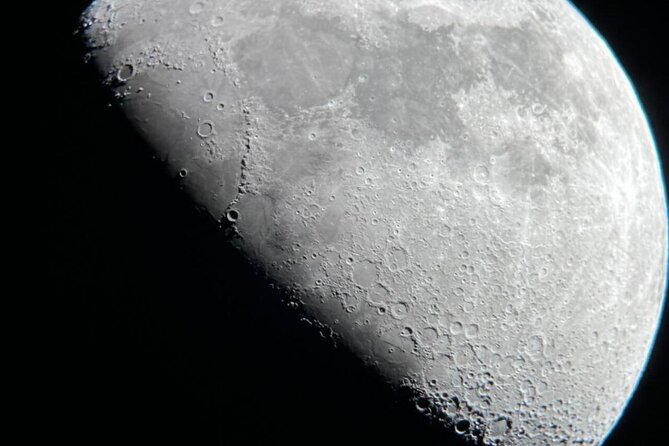
- Advanced telescope stargazing including the moon’s craters and Saturn’s rings if in season
- Milky Way phone photo through a telescope setup (weather dependent)
- Wine + BBQ dinner included, so you’re not scrambling for food
- Small group up to 11, which helps you get photo help and attention
From Surfers Paradise to Tamborine Mountain in one smooth block
This tour starts at 1:30 pm and runs about 6 hours. That timing works well if you want to do something meaningful in daylight, then stay out once it gets dark for stargazing. It’s also designed to be low-friction: pickup is offered, and the meeting point is near public transportation. You’ll use a mobile ticket, which keeps it simple.
The schedule is all concentrated around Tamborine Mountain for the action-heavy parts. That’s a plus. Less time commuting means more time waiting for the sky to change. And with only up to 11 people, you’re not stuck watching someone else get the telescope tutorial while you hang back.
Glow Worm Caves at Tamborine Mountain: the main event in the dark
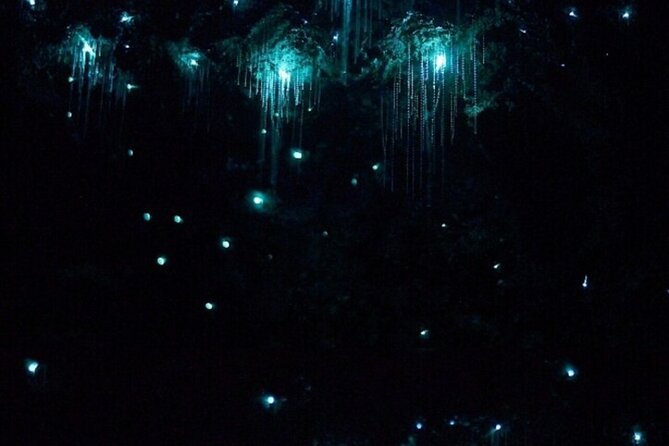
The big natural draw here is the Glow Worm Caves experience at Tamborine Mountain. You’ll walk beneath a canopy of bioluminescent glow worms, which turns the cave interior into something you can actually photograph. The lighting is unique, and that’s the point: you’re not just looking at a dim cave, you’re seeing living light doing its thing.
What I like about this part for your planning: it’s an activity you can enjoy even if you’re not a “cave person.” You don’t need gear or special skills. Just show up ready for dim conditions. Also, the tour notes show admission ticket free for the glow worm caves, which helps the value feel cleaner than tours that quietly tack on entrance fees later.
Now, the balanced bit. One prior guest found the glow worms okay rather than mind-blowing. That’s not a problem with the tour so much as a reminder that expectations matter. If you’re chasing cinematic, dramatic glow worm density every single time, you might feel less wowed. If you’re open to a beautiful natural light experience, you’ll likely land on the happy side of the experience.
Sunset at Hang Gliders Launch: a photo-friendly, crowd-aware setup
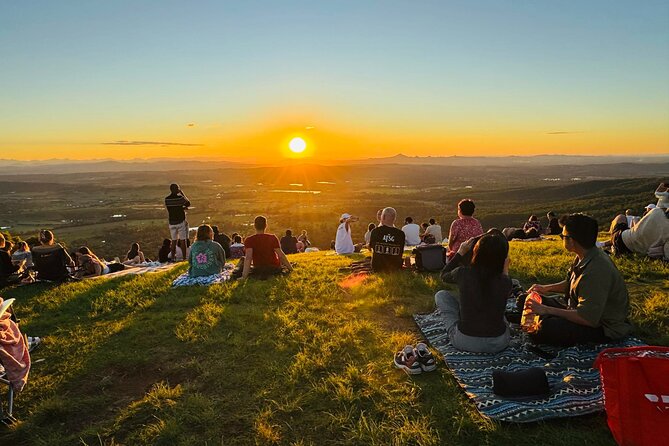
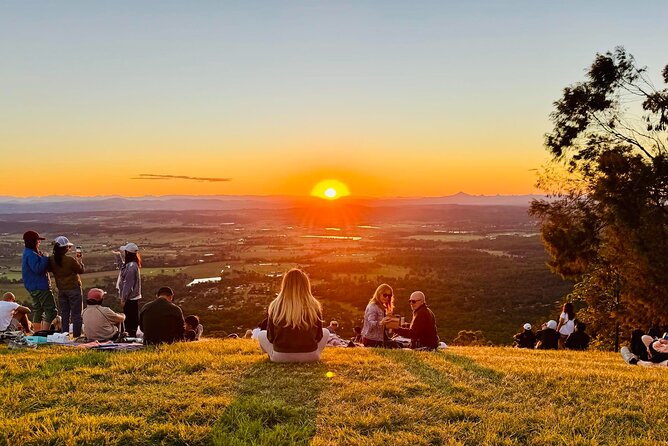
After the caves, the timing shifts toward sunset at Hang Gliders Launch. This is the moment that seems to hit hardest. At least one guest called it one of the best sunset spots on the Gold Coast, and that tracks with how tours like this are built: you get a scenic lookout moment where the light does the work.
You’ll have picnic blankets to sit on, which is more useful than it sounds. It buys you comfort during that stretch when the sky is changing and you’re waiting for the right colors. It also makes it easier to stay put with your camera or phone instead of standing the whole time.
The trade-off is crowding. The sunset area can be popular, and you’ll likely be sharing space with other people doing the same thing. If you hate crowds, come with patience. If you don’t mind shoulder-to-shoulder for a great view, you’ll be fine.
Telescope stargazing with a phone Milky Way photo: the hands-on astronomy
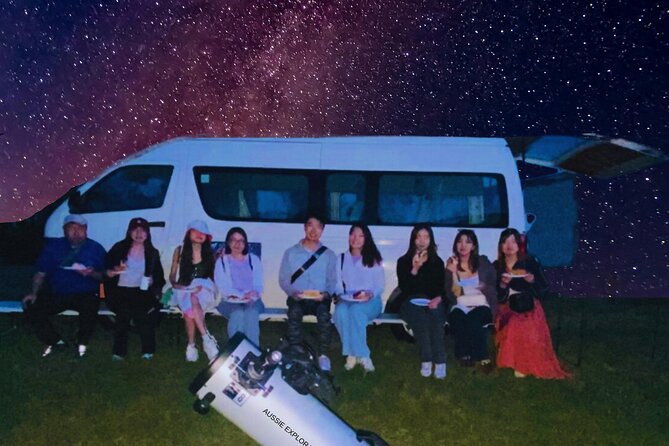
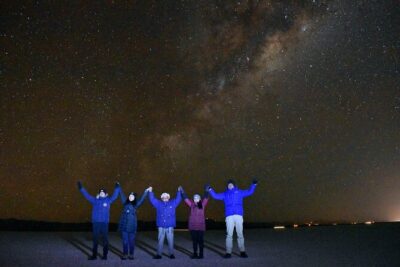
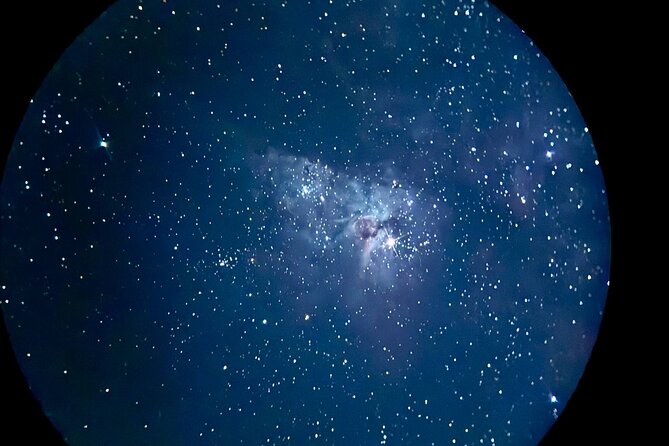
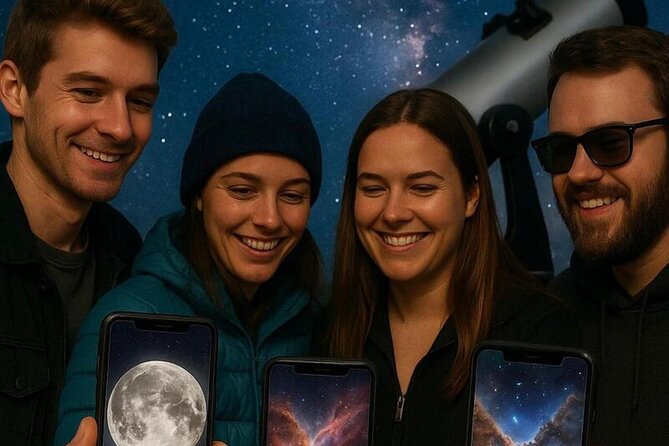
Once the night settles, the tour becomes more “guided activity” than “just watch.” You get use of an advanced telescope and an expert-led session focused on southern stars. The most important practical detail: the guide helps you take a photo of the Milky Way using your smartphone attached to the telescope. That’s a big deal for most people, because Milky Way shots are usually the part where everyone gives up and goes home with blurry disappointment.
The stargazing targets include the moon’s craters, and Saturn’s rings if in season. You’ll also see other celestial objects depending on what’s up and what the night allows. That’s why the experience is labeled weather dependent. Clouds and rain don’t just ruin the mood; they shut down the viewing and the photo attempt.
One guest specifically praised how the guide made sure everyone got included with their stargazing photos. That’s exactly what you want from a small-group setup. It means you’re not left guessing where to stand, how to align your phone, or how to time the click.
BBQ dinner and wine: fuel for the night (with one food caveat)
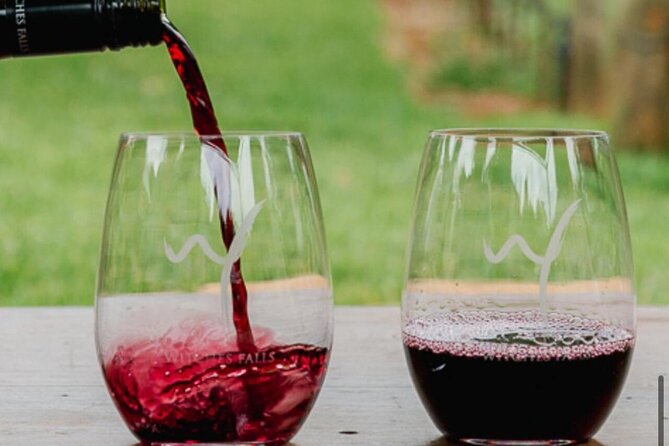
Dinner is built in: you’ll have a BBQ dinner at a scenic location, and you’ll also get a glass of wine. This combination is smart for timing. You’re not tempted to leave early for food, and you’re not hungry while you wait for dark-sky conditions.
Value-wise, wine plus dinner included can reduce the cost shock. Tours often include a “small snack” or something vague. Here, dinner is part of the package.
The cautious note comes from a picky-eater concern. One guest didn’t really like the BBQ dinner, likely because BBQ styles and sides vary a lot, and not every palate matches what’s cooked on the day. If you have strong preferences, you may want to think ahead about your tolerance for typical BBQ menu choices.
Also, bottled water is not included, so plan to bring water or buy it before you head out.
The guide makes it practical: Michael’s role in the experience
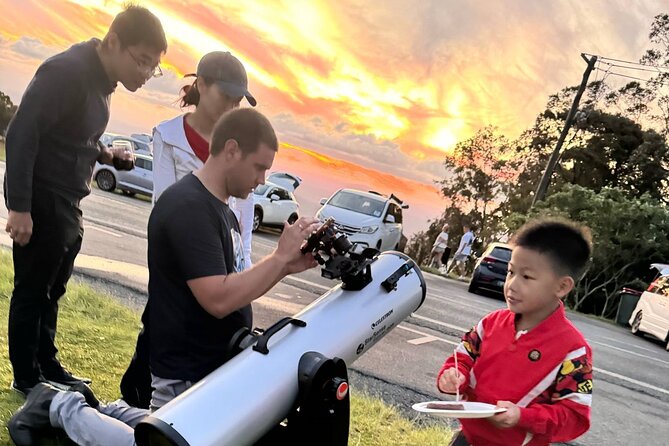
A standout detail from one of the best-rated experiences: the guide was Michael, and he earned high praise for how he handled the whole group. The theme was consistency—making sure everyone was included, guiding people through the stargazing photo steps, and making sure the group was fed.
That matters because telescope stargazing isn’t passive. It needs small adjustments and timing. When a guide actively works to include everyone, you get less frustration and more actual results—like a better phone-to-telescope shot and calmer group energy.
With a max group size of 11, the guide can realistically keep track of where people are standing and help you troubleshoot. That’s a real quality-of-experience factor, not just a “nice-to-have.”
Timing and group size: why this works better than rushed tours
At about 6 hours, this tour strikes a good balance. It’s long enough to cover caves, sunset, dinner, and stargazing, but not so long that you’re fading by the time the sky show begins. The start time at 1:30 pm also gives you daylight for the cave and lookout parts, then you still get the full dark-sky window.
Small group size (up to 11) improves the experience in two practical ways:
- You get more individual attention during the telescope portion.
- Waiting around feels less chaotic when the group is not huge.
If you’re traveling solo, this kind of group size is also easier to handle. You’ll feel like you’re part of the action, not a number on a bus.
Price and value on the Gold Coast: what you’re actually paying for
At $142.01 per person, this tour isn’t a “cheap throw-in.” You’re paying for several concrete inclusions:
- Glow worm caves experience (with admission noted as free in the tour details)
- Telescope use and the photo with your phone attached to the telescope
- One glass of wine
- A BBQ dinner
- Picnic blanket use
- All fees and taxes
That’s a lot folded into one price, especially the stargazing and telescope/photo component. Most people don’t want to DIY astronomy gear and setup at night. You’re paying someone to handle the technique and guide you through the photo method.
What’s not included is bottled water, so don’t forget that small cost. But in terms of overall value, the package looks reasonably built: you’re covered for food, one drink, and the expensive-feeling part (telescope time and instruction), not just sightseeing.
Who should book this tour
This works best if you want a guided experience that blends nature and night sky viewing without planning your own route. You’ll likely enjoy it if:
- You care about photos (sunset plus Milky Way attempt)
- You want a structured introduction to stargazing
- You like the idea of a single-day plan that runs smoothly from afternoon to night
- You appreciate small-group attention during technical parts like telescope use
It’s a less perfect fit if:
- You hate crowds at sunset lookouts (the area can be busy)
- You’re extremely picky about BBQ menu styles
- You’re not comfortable with the fact that stargazing depends on weather
Still, the tour is positioned as having wide participation—most people can join in.
Should you book the Gold Coast Glow Worms, Sunset & Stargazing tour?
I’d book it if you want one clear plan that delivers both daytime magic and nighttime astronomy, with real help for your phone Milky Way photo attempt. The combination of Glow Worm Caves, a top sunset lookout at Hang Gliders Launch, and guided telescope work is a smart way to spend a single afternoon-to-evening block.
I’d hesitate if your main goal is glow worms only. One guest found them merely okay. In that case, you might be booking for sunset and stars rather than expecting glow worms to be the guaranteed highlight.
If you’re flexible on food and you don’t mind sharing a popular viewpoint, this feels like a solid, well-priced experience for the Gold Coast. Just remember the simple rule: check the weather, and come ready to enjoy what the sky gives you that night.
FAQ
What time does the tour start?
The tour starts at 1:30 pm.
How long is the experience?
It runs about 6 hours (approx.).
Where does the tour focus for the activities?
The main activities are based around Tamborine Mountain, including the glow worm caves, sunset, and stargazing.
Does the tour include pickup?
Pickup is offered.
What’s included in the ticket price?
The tour includes use of the telescope and the Milky Way photo with your phone, a glass of wine, a picnic blanket, BBQ dinner, and all fees and taxes.
Is bottled water included?
No. Bottled water is not included.
What can you see during the stargazing session?
You can observe the moon’s craters, and Saturn’s rings if in season, along with other objects depending on conditions.
What happens if weather affects stargazing?
The experience requires good weather. If it’s canceled due to poor weather, you’ll be offered a different date or a full refund.
How many people are in the group?
The maximum group size is 11 travelers.